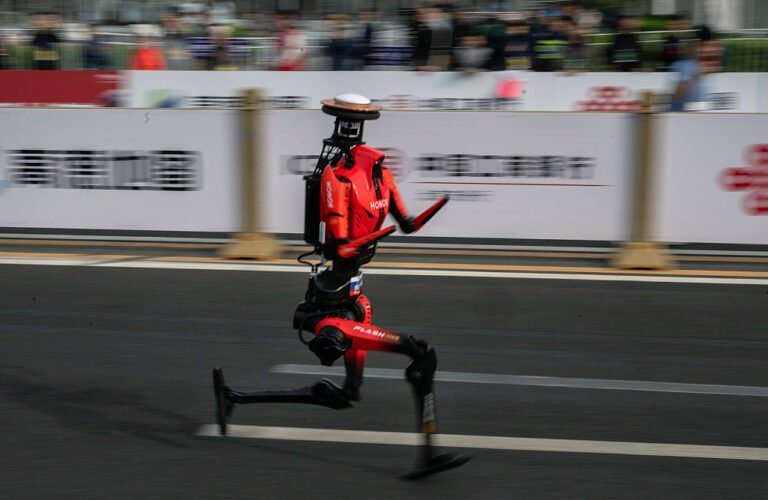

Tesla is currently failing to meet its publicly stated commitment to manufacture at least 5,000 Optimus humanoid robots by the end of 2025. With nearly eight months of the year already elapsed, The Information reports that the company has produced only a few hundred units, forcing a critical reevaluation of its manufacturing timeline.
Financial Headwinds and Production Stagnation
The shortfall in robotics production arrives alongside a broader cooling in Tesla’s financial performance. The company recently posted a 12% decline in total revenue for the second quarter, driven by softening electric vehicle sales, reduced income from regulatory credits, and a downturn in the solar and energy storage sectors.
Musk’s Ambitious Vision vs. Technical Reality
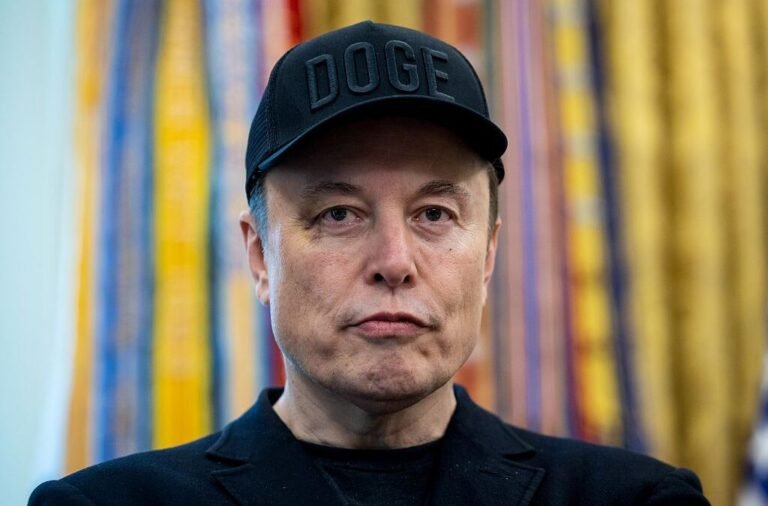
Despite the current production gap, Elon Musk remains optimistic about the project’s trajectory. During the recent Q2 earnings call, Musk announced that production of the updated Optimus 3 design is slated to begin early next year.
“We will scale Optimus production as fast as possible and try to get to a million units a year as quickly as possible,” Musk stated. “We think we can get there in less than five years. That’s a reasonable aspiration.”
A Pattern of Delayed Promises
The ambitious targets set for Optimus echo previous high-profile projections from Musk that have faced significant delays. During Tesla’s 2019 Autonomy Day, the CEO famously predicted a fleet of one million robotaxis would be operational on public roads by 2020. Two years later, he forecasted mass production of robotaxis by 2024. To date, neither of these milestones has been achieved, casting a shadow of skepticism over the current timeline for the Optimus humanoid program.