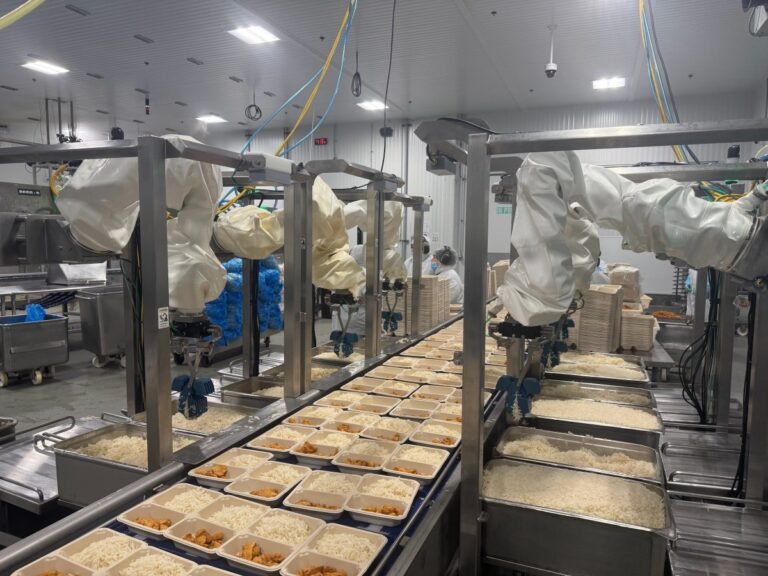

A new era for robotics is emerging as startups move beyond AI hype, leveraging a decade of market maturation, falling hardware costs, and a clearer understanding of genuine customer needs. Industry experts and venture capitalists now point to a shift from experimental concepts to practical, real-world applications that solve critical labor shortages.
Learning from a Decade of Trial and Error
The initial wave of robotics innovation served as a vital testing ground, helping engineers refine product-market fit. Kira Noodleman, a partner at Bee Partners, notes that the last decade of experimentation taught the industry exactly what the market demands.
Failed ventures, such as Rapid Robotics, provided essential lessons for the next generation of founders, who now enter the market with a sharper focus on customer requirements. Noodleman emphasizes that the outdated “lights out” manufacturing dream—which assumed a zero-human environment—has been replaced by a more realistic approach. Instead, the focus has shifted to automating repetitive, “low-hanging fruit” tasks, such as machine tending, where robots augment human labor rather than attempting to eliminate it entirely.
The Economics of Modern Robotics
Fady Saad, general partner at Cybernetix Ventures, highlights that the current robotics surge is fueled by a dramatic decline in the cost of hardware. With components like sensors, compute power, and battery technology becoming significantly more affordable than they were five years ago, building full-stack robotics solutions has become a far more viable business model.
While AI and large language models (LLMs) are frequently credited for the industry’s momentum, their role is nuanced. Saad points out that while LLMs assist in training, they are primarily trained on digital data, whereas robots must navigate the complexities of the physical world. Although companies like Nvidia are making strides with “world models” for training, widespread commercial deployment of robots that operate seamlessly alongside humans remains an ongoing challenge.
Present Day: Where Investors See Value
Despite the sector’s growth, not all robotics categories are maturing at the same pace. Manufacturing, warehousing, and construction remain core areas of interest, while healthcare and surgical robotics continue to attract significant capital.
Noodleman identifies eldercare as a critical frontier. With aging populations and persistent labor shortages, even imperfect robotic solutions are becoming indispensable in mining, manufacturing, and in-home assistance. Saad adds that vertically focused robotics companies hold a distinct advantage here, as they gain access to specialized physical data that horizontal players often lack.
The Skepticism Surrounding Humanoids
Despite the high-profile fascination with humanoid robots, many venture capitalists remain cautious. Saad argues that there is little evidence that consumers are ready to integrate humanoids into their homes. He points to the struggles of even non-humanoid consumer robotics, noting that even industry pioneers like iRobot have found it difficult to replicate their initial success with subsequent product categories.
Ultimately, while the path to commercializing complex models like humanoids remains lengthy, the broader robotics sector is thriving. Investors are increasingly comfortable with the market, noting that the level of customer awareness today is vastly different from the skepticism that defined the landscape 15 years ago. As the customer base expands, the industry is transitioning into a robust, commercially viable reality.