
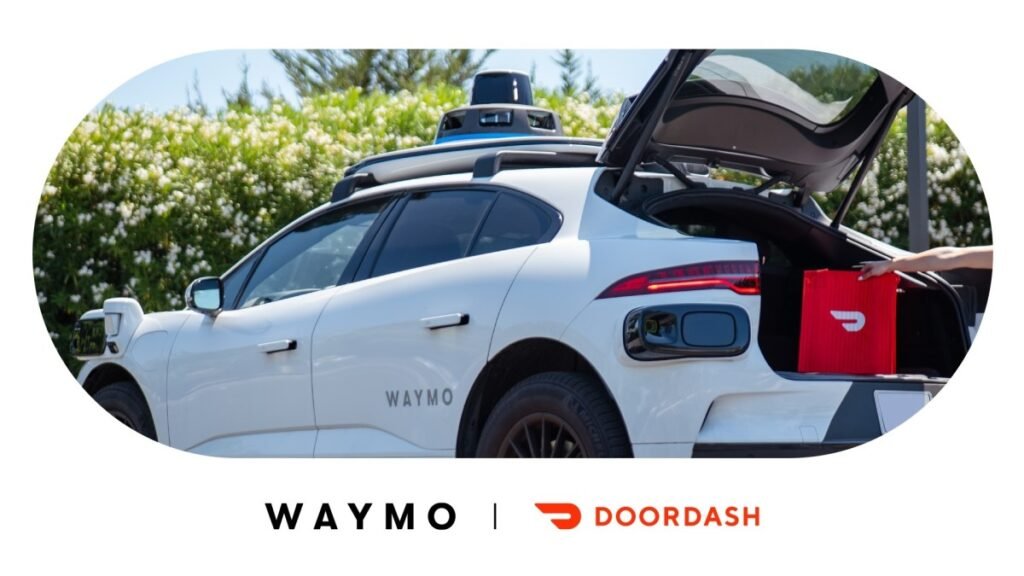
Waymo has officially pivoted back into the delivery sector, launching a multi-year strategic partnership with DoorDash to transport food and retail orders across a 315-square-mile radius in Phoenix, Arizona.
A Strategic Shift in Autonomous Logistics
While Waymo is synonymous with robotaxis, the Alphabet-owned company has long explored delivery applications for its autonomous technology. Previous pilot programs included collaborations with UPS and Uber Eats, alongside a significant investment in the Waymo Via trucking division—a project that was ultimately shuttered in 2023 to prioritize the robotaxi business.
Currently, this DoorDash collaboration marks the only active delivery-focused operation within the Waymo ecosystem, according to a company spokesperson.
How the Phoenix Pilot Works
As detailed in a recent blog post, the integration allows local customers to receive orders via driverless Jaguar I-Pace vehicles. Initially, the service is restricted to orders from DashMart, DoorDash’s own retail and convenience storefronts. Both companies confirmed plans to scale the program by incorporating additional local merchants and a broader range of products over time.
The Future of Autonomous Commerce
David Richter, VP of business and corporate development at DoorDash, framed the deal as a step toward a “multi-modal autonomous future of local commerce,” aiming to provide customers with a unique delivery experience.
DoorDash is no stranger to self-driving technology. The company already utilizes sidewalk delivery bots from Serve Robotics in Los Angeles and is currently testing its own in-house autonomous bot, “Dot,” in the Phoenix area. However, the Waymo partnership operates independently of these other initiatives.
The “Last Mile” User Experience
The delivery process requires a change in consumer behavior: customers must meet the autonomous vehicle and retrieve their items directly from the trunk using the DoorDash app. This “last-mile” interaction serves as a critical test for both firms, as they evaluate whether the novelty of robot-assisted delivery can successfully compete with the traditional convenience of human-to-door service.