Waymo and Uber officially debuted a dedicated robotaxi service in Austin this week, marking a significant evolution in both companies’ autonomous vehicle (AV) strategies. This exclusive partnership, branded as “Waymo on Uber,” mandates that the only way to hail a Waymo vehicle in Austin — and soon in Atlanta — is through the Uber platform.
Redefining Operational Responsibilities
The new service model decentralizes responsibility, signaling a departure from Waymo’s traditional operational approach. Under this structure, Waymo retains control over vehicle testing, roadside assistance, and specific rider support functions. Conversely, Uber assumes management of fleet services, including vehicle cleaning, maintenance, inspections, charging, and depot operations, executed through a firm formerly known as Moove Cars, now rebranding to Avomo.
Crucially, Uber retains control over the matching, pricing, and routing of these robotaxis. This integration of autonomous tech into a platform dominated by human drivers remains a point of contention. The Teamsters union, representing human drivers, continues to voice strong opposition, citing concerns that the proliferation of robotaxis and self-driving trucks threatens job security and wage stability.
Scaling the Vision
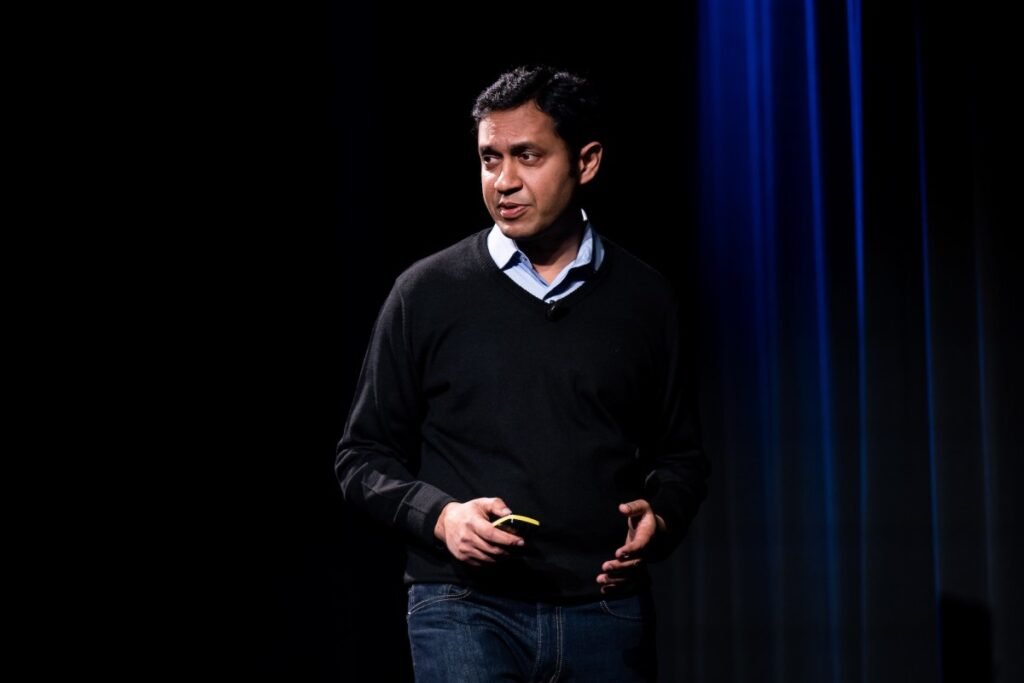
Kansal, the executive behind the “Uber for Teens” rollout, views this AV integration as an iterative learning process. “We’re going to learn a lot in terms of management and maintenance and charging of autonomous vehicles,” he stated, noting that Uber will leverage its extensive experience in managing human-driven supply to optimize robotaxi operations.
Kansal expressed confidence in the current partnership model, though he acknowledged that future iterations may explore different strategies. “I’m sure we will try different models, but we feel very comfortable with this model, just given our experience working with fleet providers,” he added.
A Turbulent History with Autonomous Tech
Uber’s relationship with AV technology has historically been volatile. Under former CEO Travis Kalanick, Uber viewed the sector as a winner-takes-all race, necessitating the creation of an internal business unit. The company began its aggressive pursuit in 2015, partnering with Carnegie Mellon University’s National Robotics Center, a move that resulted in Uber poaching dozens of NREC researchers and scientists.
The subsequent acquisition of the self-driving startup Otto, founded by Google veterans including Anthony Levandowski, sparked a major legal battle. Waymo filed a lawsuit against Uber in 2017 alleging trade secret theft and patent infringement, a case that concluded with a settlement in 2018.
The company faced further scrutiny in 2018 when one of its autonomous test vehicles struck and killed a pedestrian, prompting a total halt in testing. By 2019, Uber spun out its AV division, Uber ATG, with significant backing from Toyota, Denso, and SoftBank. Ultimately, the high costs of internal development led Uber to sell ATG to the startup Aurora in a complex equity-based deal.
The Path Forward
Despite previous setbacks, Kansal emphasizes that Uber remains a committed proponent of autonomy. He is actively utilizing a “dogfooding” approach, personally testing Waymo vehicles in Austin to identify actionable improvements. With Uber currently facilitating one million trips per hour, the pressure to ensure that these autonomous transitions are flawless remains the primary objective for the company’s product leadership.