
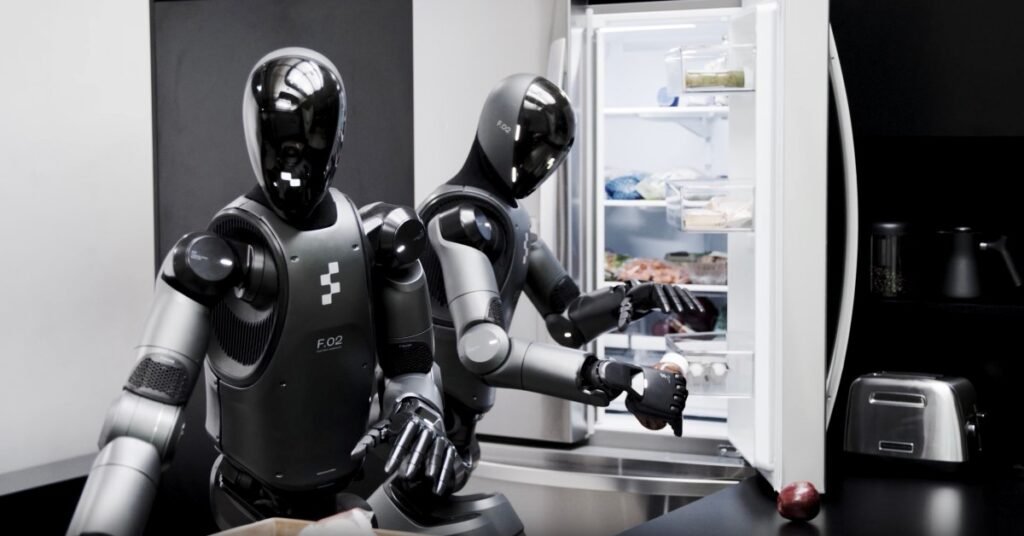
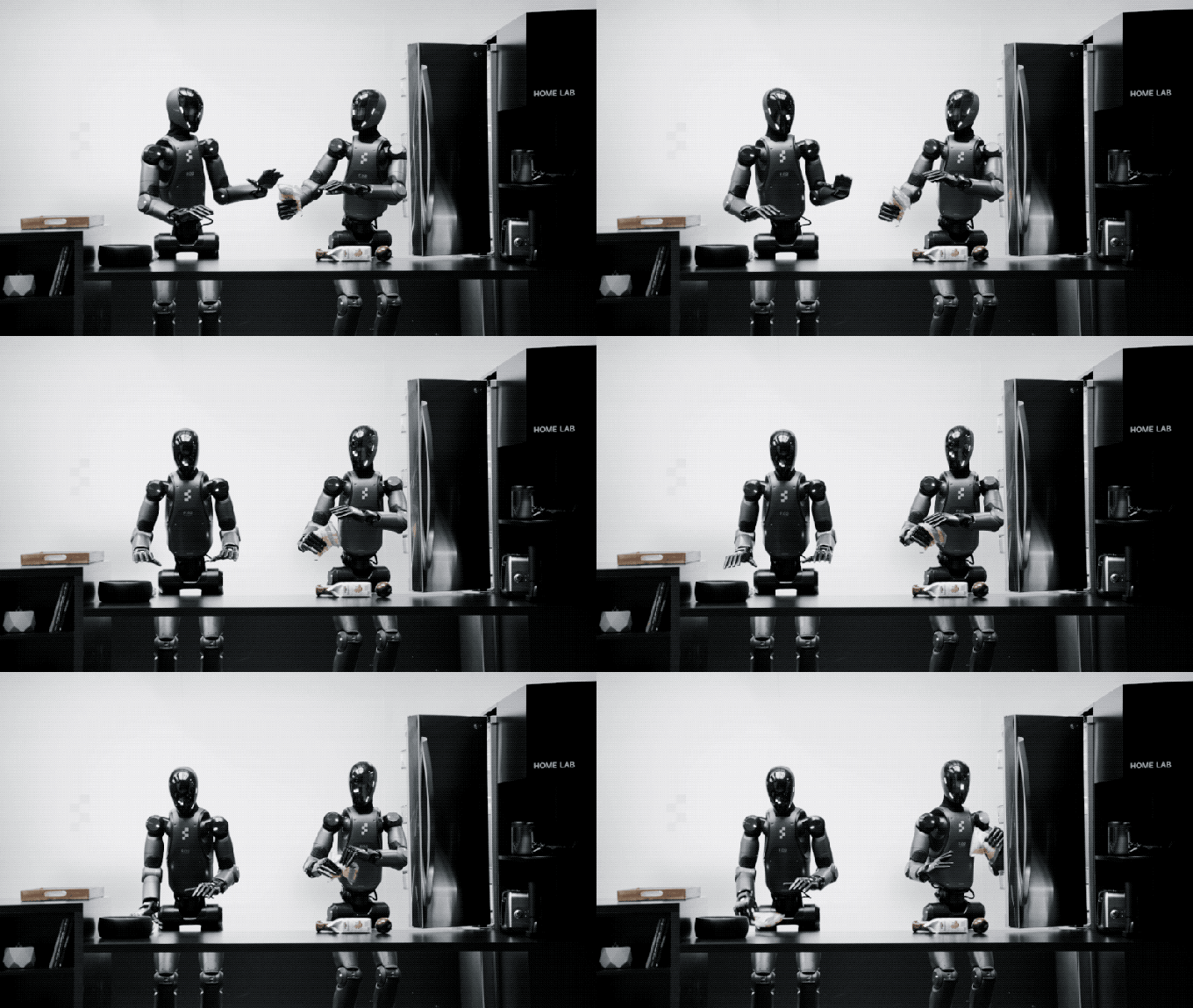
Figure is officially pivoting toward the domestic sector with the launch of its new “Helix” project, a humanoid robot designed to interpret voice commands and perform complex household tasks.
The Domestic Challenge: Why Homes Are Harder Than Labs
The home environment presents a unique hurdle for robotics. Unlike controlled factory floors, kitchens and living rooms are highly unpredictable. Figure emphasizes that to be truly useful, robots must generate intelligent behaviors on-demand, even when encountering objects they have never seen before. Currently, teaching a robot a single new skill requires significant human intervention, demanding either hours of manual programming by experts or thousands of repetitive human demonstrations.
Scaling Beyond Manual Programming
Manual programming is inherently unscalable for the home. Household layouts, cleaning tools, and even lighting conditions vary drastically from one residence to another. Furthermore, the chaotic nature of daily life—such as rearranged furniture and unexpected messes—makes rigid programming obsolete. While Figure is well-funded, the traditional methods of manual coding are both too costly and too time-consuming to address the infinite variables of domestic life.
Moving Past Repetitive Training
The alternative approach, intensive machine training, also faces limitations. While robotic arms in labs successfully master pick-and-place tasks, they often rely on hundreds of hours of repetition to achieve reliability. For a robot to perform a task correctly on the first attempt, it typically requires a massive history of prior demonstrations, a process that struggles to keep pace with the diverse needs of an average household.
The Road Ahead for Helix
Despite the excitement surrounding the announcement, the Helix project remains in its early stages of development. Much of the polished footage currently circulating is the result of significant behind-the-scenes preparation. Ultimately, this announcement serves as a strategic move to recruit top-tier engineering talent, aiming to accelerate the development of the platform and overcome the technical barriers to true home-based humanoid assistance.