Cash App officially launched “Pools” this Tuesday, a new peer-to-peer feature enabling users to collect funds from friends and family for shared expenses like vacations, group gifts, restaurant tabs, and grocery bills. While the feature is currently rolling out to a select group of users, a broader expansion is scheduled for the coming months.
How Cash App Pools Work
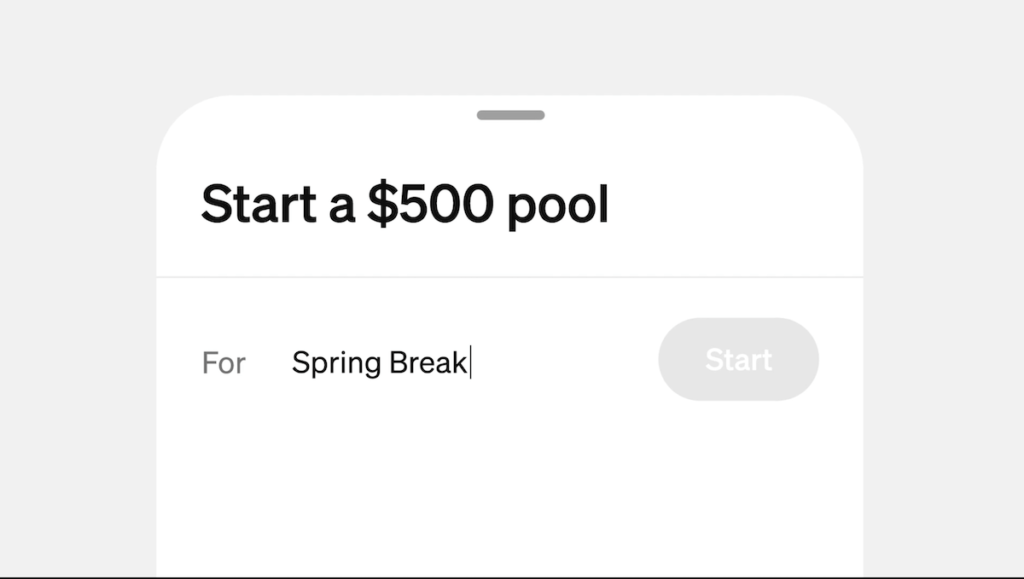
Creating a pool is a straightforward process managed directly through the app’s payment tab. Organizers can set a specific target amount and invite contributors by searching for their $cashtag. For those outside the Cash App ecosystem, organizers can simply text a unique link, allowing non-users to contribute securely using Apple Pay or Google Pay.
Flexibility is a core component of the design: the organizer maintains full control, with the ability to close the pool at any moment and instantly transfer the accumulated funds directly into their Cash balance.
Strategic Growth and Market Competition
The decision to allow non-users to participate via Apple Pay and Google Pay is a calculated move to lower the barrier to entry and drive platform adoption. This push for growth follows a challenging first quarter, where Cash App reported that consumer engagement fell below internal expectations, resulting in first-quarter gross profits that missed company projections.
By introducing this functionality, Cash App is positioning itself to better compete with Venmo and PayPal. Both competitors have long offered similar money-pooling capabilities, and Cash App’s new feature aims to close that feature gap while leveraging its existing user base to regain momentum in the digital payments space.