California State Senator Steve Padilla introduced a bill on Monday aiming to enforce a four-year moratorium on the manufacturing and sale of toys featuring AI chatbot capabilities for children under 18, citing the urgent need to establish safety regulations against potentially harmful interactions.
Prioritizing Child Safety Over Tech Innovation
Senator Padilla emphasized that while artificial intelligence is rapidly becoming a staple of modern life, the current regulatory landscape is insufficient to handle the risks posed to minors. “Chatbots and other AI tools may become integral parts of our lives in the future, but the dangers they pose now require us to take bold action to protect our children,” Padilla stated. He argued that the proposed pause is essential to provide lawmakers the necessary window to construct a robust framework that keeps pace with the exponential growth of AI technology.
Legislative Context and Rising Concerns
The proposed legislation, designated as SB 867, arrives amid a tense federal climate. Although President Trump recently issued an executive order directing federal agencies to challenge state-level AI laws, the order notably includes specific carve-outs for state regulations centered on child safety. This move by California follows a wave of public concern, including high-profile lawsuits involving families who lost children to suicide after long-term interactions with AI chatbots. Padilla’s initiative builds on his previous work, including the passage of SB 243, which mandates that chatbot operators implement specific safeguards for vulnerable users.
Real-World Risks and Industry Delays
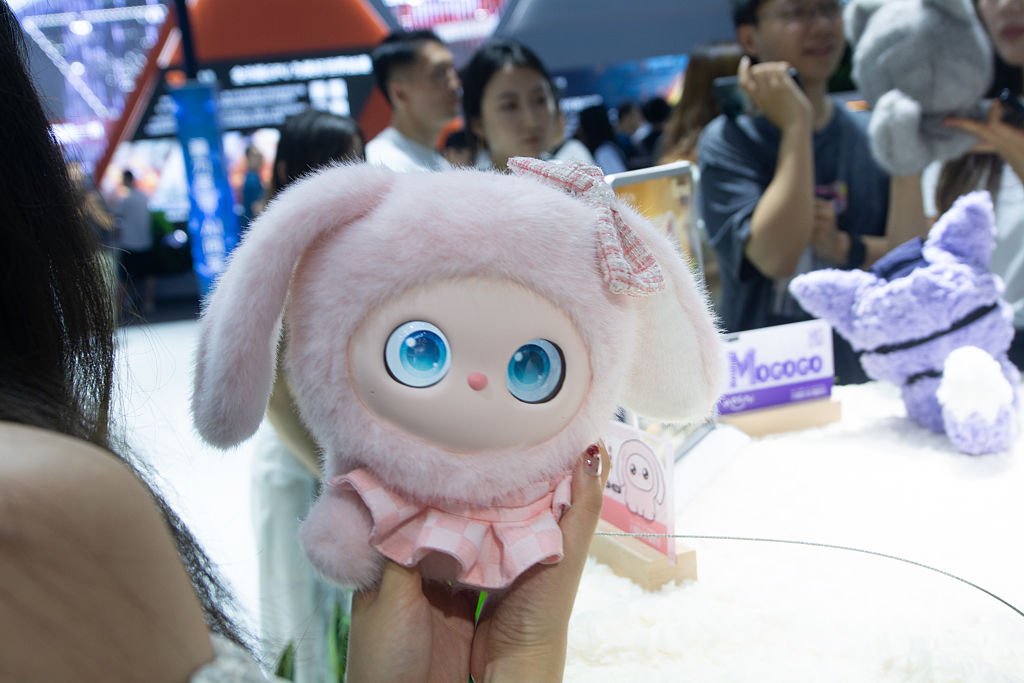
Though the market for AI-integrated toys is still emerging, reports of dangerous behavior have already surfaced. In November 2025, the PIRG Education Fund warned that toys such as the Kumma AI bear could be manipulated into discussing knives, matches, and explicit sexual content. Furthermore, an investigation by NBC News revealed that the Miiloo toy, produced by the Chinese firm Miriat, was programmed to reflect specific political ideologies, raising questions about the influence of these devices on child development.
The Big Tech Experiment
Major industry players have already faced scrutiny regarding these products. A planned collaboration between OpenAI and Barbie manufacturer Mattel to launch an AI-powered toy was delayed in late 2025, with neither company providing a clear explanation or a timeline for a future release. Addressing the broader implications of these corporate strategies, Senator Padilla was firm: “Our children cannot be used as lab rats for Big Tech to experiment on.”