Amazon has officially launched same-day delivery for perishable groceries across 1,000 U.S. cities, aggressively challenging rivals like Instacart and Walmart+ in the rapidly expanding quick-commerce market. The e-commerce titan confirmed plans to scale this service to over 2,300 cities by the end of this year.
A Massive Expansion in Fresh Food Logistics
Customers can now consolidate their orders, combining fresh produce, dairy, meat, seafood, and baked goods with standard household essentials and electronics in a single same-day shipment. This integration marks a significant shift in how Amazon handles its logistics for temperature-sensitive goods.
Quality Control and Temperature Management
To maintain food integrity, Amazon is leveraging a specialized temperature-controlled fulfillment network. Every order undergoes a rigorous six-point quality inspection before leaving the facility. Upon arrival, temperature-sensitive items are protected by insulated bags to ensure freshness remains uncompromised.
Pricing and Prime Membership Benefits
Prime members enjoy free same-day delivery on grocery orders exceeding $25. For orders falling below this threshold, subscribers can opt for the service for a flat $2.99 fee. Non-Prime customers also gain access to this convenience, though they are subject to a $12.99 delivery fee regardless of the total order value.
Consumer Demand Drives Rapid Adoption
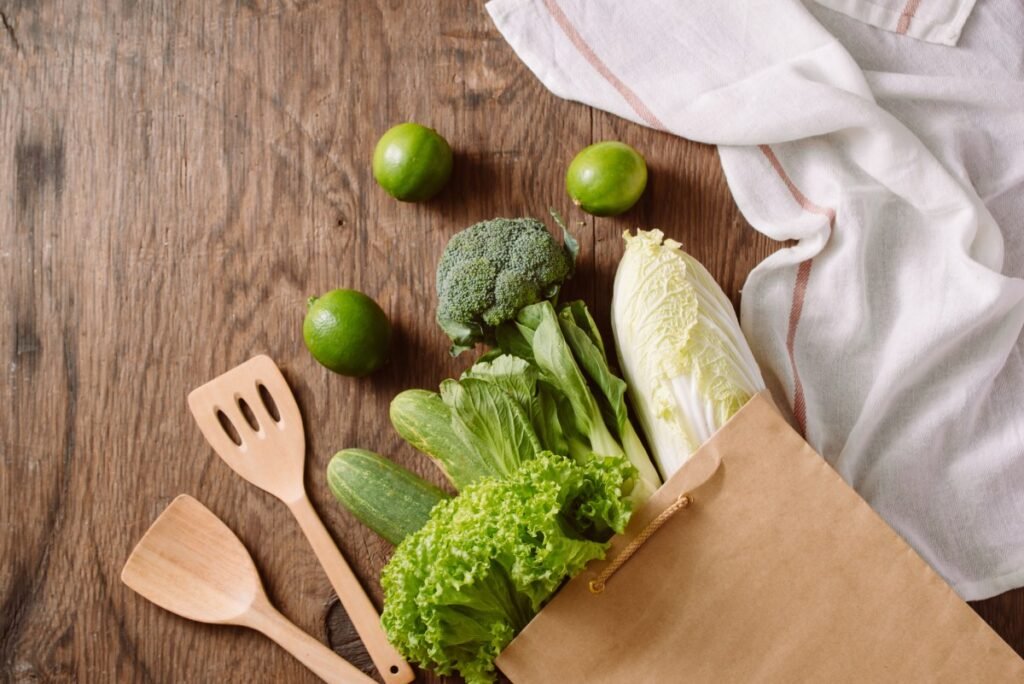
The expansion follows successful pilot programs in regions such as Phoenix, Orlando, and Kansas City. According to an official press release, Amazon noted that staples like milk, eggs, and bread were immediate hits. Notably, items such as strawberries, Honeycrisp apples, limes, and avocados have quickly climbed to the top 10 most-ordered products in same-day carts.
Strategic Pivot in Retail
This infrastructure push arrives as the company faces ongoing challenges in driving consistent foot traffic to its physical storefronts. By bringing the grocery store experience directly to the consumer’s doorstep with increased speed, Amazon aims to capture a larger share of the daily grocery budget, solidifying its grocery delivery capabilities in a highly competitive landscape.