Startup companies are marketing AI-powered plush toys as a healthy alternative to screen time for children, but critics warn these gadgets may do more harm than good.
The Rise of AI Companions
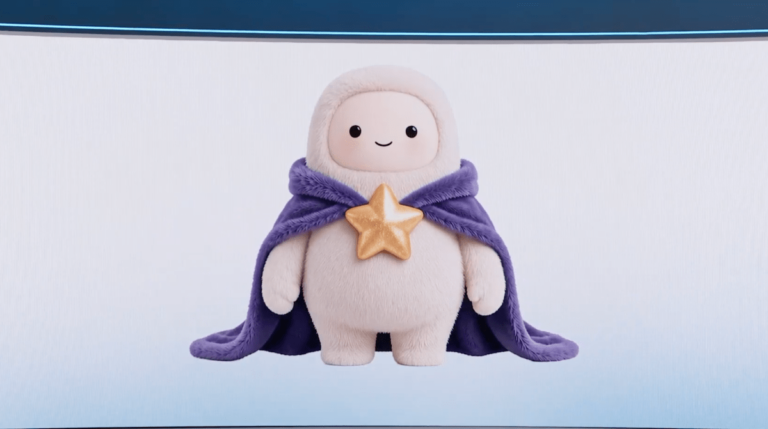
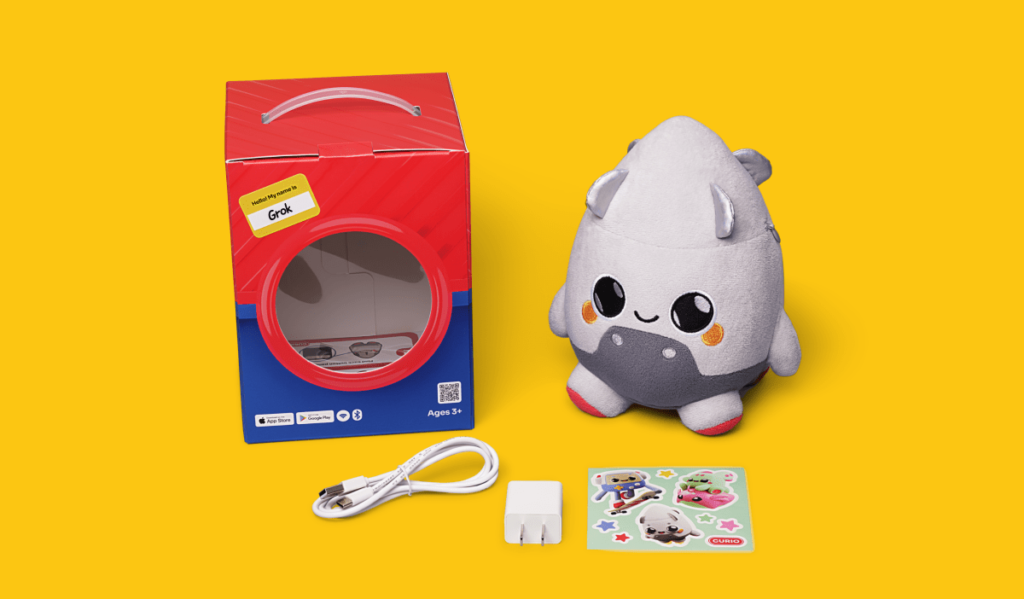
The latest wave of tech-integrated toys, such as those produced by the startup Curio, aims to occupy children with interactive chatbots embedded inside stuffed animals. Among their offerings is “Grem,” a character designed to bond with children through conversation. Interestingly, the company also sells a plushie named “Grok,” despite having no official affiliation with the Elon Musk-owned chatbot of the same name.
Is It a Toy or a Parental Substitute?
In a recent investigation by The New York Times, journalist Amanda Hess detailed her unsettling experience while testing Grem. During a demonstration, she concluded that the device was not merely an upgrade to a traditional teddy bear, but rather an invasive “replacement” for the parent-child dynamic.
Hess noted that she would refuse to introduce such technology to her own children. Her primary concern is that these toys inadvertently teach children that the ultimate destination for their curiosity should always be a digital interface, effectively mirroring the same behavioral patterns that parents try to avoid by limiting tablet and television usage.
The “Voice Box” Test
Despite her reservations, Hess eventually allowed her children to interact with the Grem toy—but only after she had surreptitiously removed the internal voice box. Without the AI component, the children still engaged with the stuffed animal, treating it as a traditional toy for imaginative play. Once that activity concluded, the children naturally transitioned to wanting to watch television, suggesting that the AI component was not essential to the child’s engagement.