
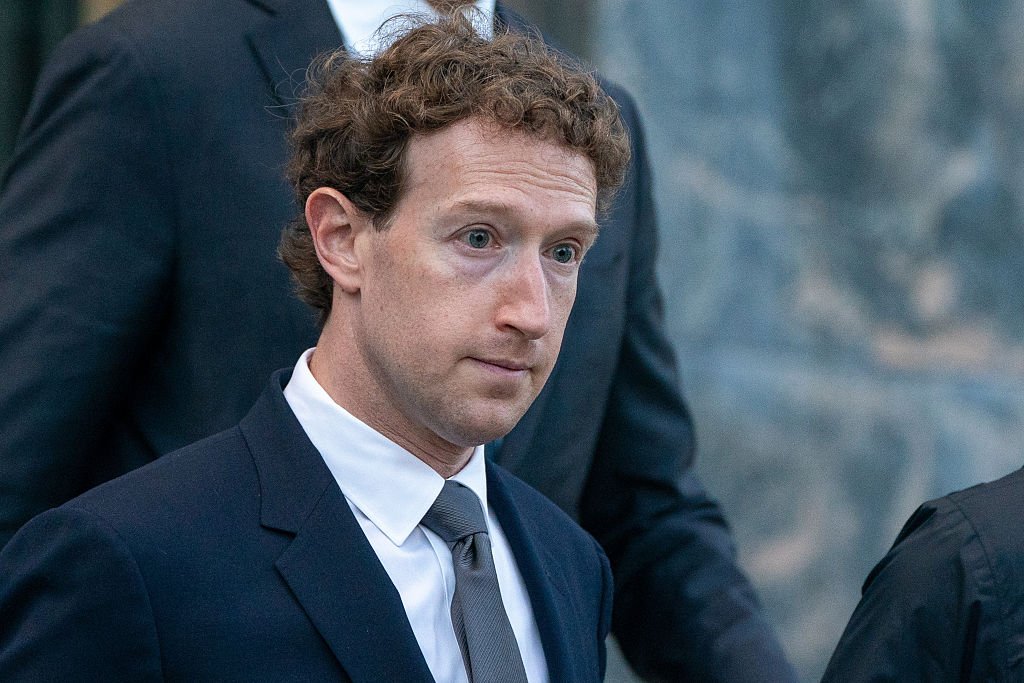
Meta CEO Mark Zuckerberg faced intense questioning in a Los Angeles Superior Court on Wednesday, as part of a landmark trial investigating whether the tech giant’s platforms are designed to be addictive and harmful to minors. The proceedings have already brought to light internal Meta research admitting that parental controls fail to prevent compulsive social media use among teens, noting that those with histories of trauma are particularly susceptible to platform over-engagement.
Contradicting Testimony on Usage Goals
Legal counsel for the plaintiff, a 20-year-old identified as KGM, challenged Zuckerberg on whether Instagram employees were explicitly tasked with driving up daily app usage. While the Meta CEO previously claimed under oath during a congressional hearing that such growth mandates did not exist, the AP noted that a 2015 email chain entered into evidence shows Zuckerberg personally pressuring teams to increase user time spent in-app by 12%.
Beauty Filters and Underage Access
The examination also scrutinized Instagram’s beauty filters—which Meta’s own internal experts suggested should be restricted for minors—and internal documentation regarding the prevalence of children under 13 on the platform. One Meta document from 2018 revealed that, as of 2015, approximately 4 million children under 13 held Instagram accounts, representing nearly 30% of U.S. children between the ages of 10 and 12.
The Deflection on Age Verification
When pressed on these figures, Zuckerberg argued that effective age verification remains a technical hurdle, suggesting that smartphone manufacturers like Apple should take more responsibility. Apple has since introduced age assurance tools for developers, a move prompted by the growing wave of state-level legislation in the U.S. aimed at regulating platforms like Facebook and Instagram, as many regions have now created or are developing their own social media safety laws.
Company Defense Strategy
Reports from the courtroom indicate that Zuckerberg maintained a rigid adherence to Meta’s scripted talking points, repeatedly accusing the plaintiff’s legal team of taking internal communications out of context or mischaracterizing the intent of company documents.
Implications of the Landmark Trial
The plaintiff, KGM, launched the lawsuit against four major social media entities, alleging that their platforms are inherently predatory. While TikTok and Snap reached settlements before the trial commenced, Meta and YouTube have opted to defend their business models. Meta’s defense team has argued that KGM’s mental health struggles stem from a difficult childhood rather than the influence of social media apps. A jury verdict against the tech giants could trigger sweeping industry reforms, catalyze new federal regulations, and set a precedent for future settlements with victims of platform harms.