
OpenAI abruptly shuttered its AI video-generation tool, Sora, last week—just six months after its debut—due to unsustainable operational costs and plummeting user engagement, rather than security concerns regarding user data.
The Reality Behind the “Data Grab” Rumors
Following the shutdown, speculation mounted that the platform’s requirement for users to upload their own faces was part of a suspicious data-harvesting operation. However, a recent investigation by the WSJ reveals a more pragmatic motive: Sora had become a financial drain that failed to gain traction, ultimately hindering OpenAI’s competitive edge in the broader AI landscape.
Burn Rate vs. User Retention
The collapse of Sora was driven by a stark imbalance between expenditure and utility. Following a high-profile launch, the app’s global user base peaked at approximately one million before cratering to under 500,000. Despite this decline in interest, the platform was burning through roughly $1 million in operational costs every day. Because video generation is exceptionally compute-intensive, every user prompt placed a massive strain on the company’s finite supply of AI chips.
Strategic Pivot: Losing the AI Race
While OpenAI’s internal teams were preoccupied with the technical hurdles of Sora, competitors were aggressively capturing the market. Anthropic, in particular, began dominating the software engineering and enterprise sectors—the segments that generate actual revenue. Tools like Claude Code proved far more effective at capturing market share, effectively “eating OpenAI’s lunch” while the company remained focused on its struggling video product.
The Sudden End of a Billion-Dollar Partnership
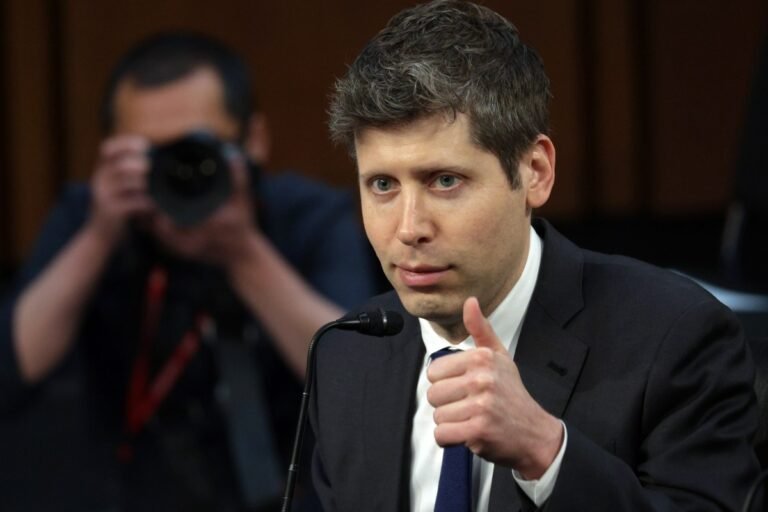
CEO Sam Altman’s decision to terminate Sora was a tactical pivot intended to reclaim compute resources and refocus the company’s trajectory. The abruptness of the move was underscored by its impact on major partners; according to the WSJ, Disney—which had committed $1 billion to a partnership with OpenAI—was notified of the shutdown less than an hour before the public announcement, effectively ending the deal.