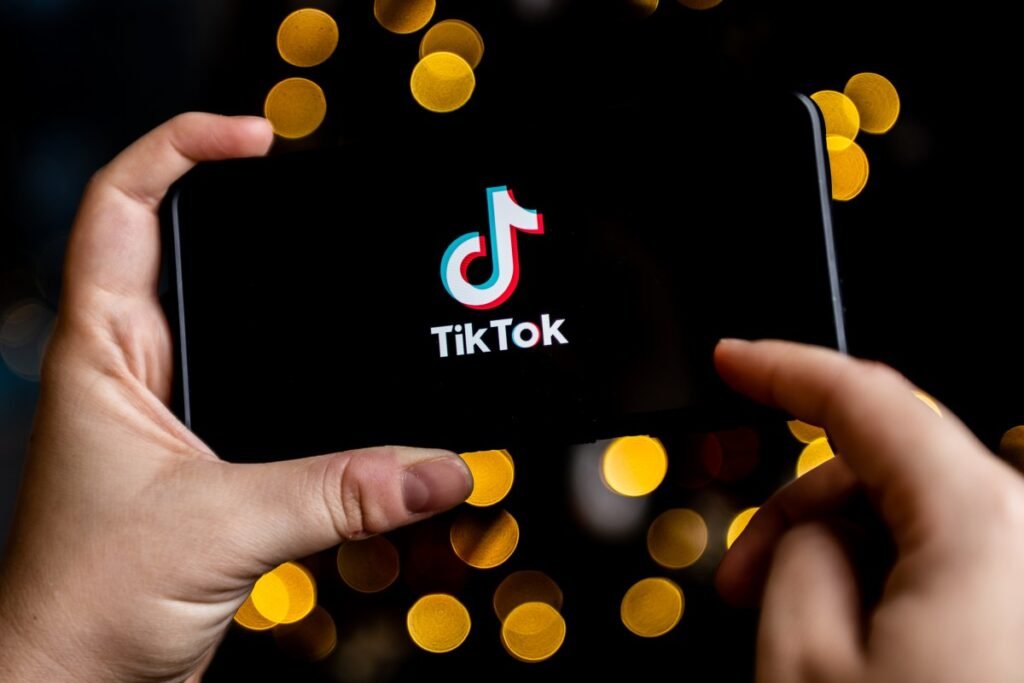
TikTok is officially sunsetting its original Creator Fund to prioritize the new Creativity Program, a move that aims to reshape how influencers earn revenue on the platform. As creators transition to this new model, the industry is closely watching to see if the company’s promises of higher payouts will actually materialize or if it is simply a rebranding of previous monetization limitations.
The Shift: From Creator Fund to Creativity Program
The platform is phasing out the legacy Creator Fund, steering users toward the Creativity Program as the primary vehicle for monetization. This transition marks a significant strategic pivot for TikTok, which has faced long-standing criticism regarding the sustainability of its creator economy. By shifting focus, the company claims it is creating a more lucrative ecosystem, though many users remain skeptical about the actual impact on their monthly earnings.
Will Creators See a Real Income Boost?
For many content creators, the transition to the Creativity Program is met with a mix of cautious optimism and frustration. While the platform asserts that this change will provide better financial opportunities, the reality is that many creators have historically struggled to generate significant income from TikTok. Analysts suggest that even if the new program performs better, it is unlikely to trigger a massive, sudden shift in creator wealth simply because the baseline earnings under the previous system were already exceptionally low.
Navigating the Uncertain Future
Whether the Creativity Program becomes a genuine lifeline for creators or remains a marginal source of income depends on the platform’s long-term commitment to its payout structures. As the rollout continues, the data will eventually reveal if TikTok can bridge the gap between its ambitious monetization claims and the day-to-day financial reality of the creators who drive its engagement.