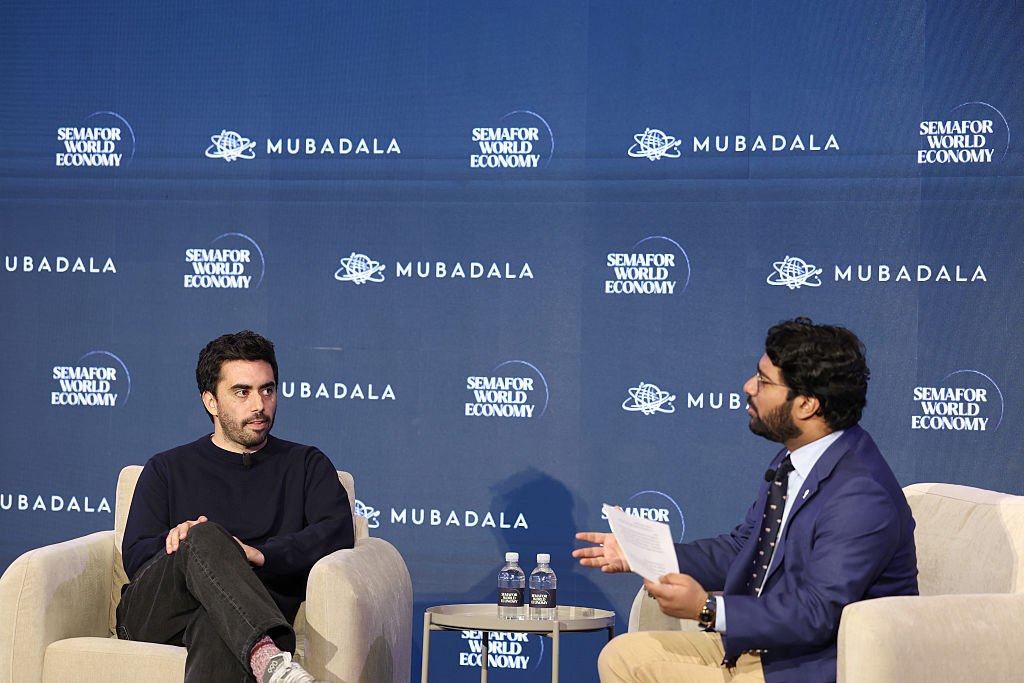
Runway CEO Cristóbal Valenzuela argues that artificial intelligence will revolutionize Hollywood by shifting production from singular $100 million blockbusters to a larger volume of diverse films, though critics remain skeptical about whether scaling content output truly equates to artistic quality.
The Vision for a High-Volume Film Industry
Runway is betting heavily on the idea that AI will solve what Valenzuela describes as a fundamental “crisis of creativity” within the entertainment industry, driven by current economic incentives. He likens the future of video production to the publishing industry, where the barrier to entry has lowered significantly.
Valenzuela points to the roughly 25 million books produced annually as a benchmark for success. While he acknowledges that no single person can consume that volume of content, he maintains that the world benefits from a broader range of individuals having the tools to share their stories.
Fact-Checking the Creative Scale
(For context, Valenzuela’s estimate regarding book production appears inflated. Data from UNESCO indicates that approximately 2.2 million new titles are published annually. However, his figure may account for self-published e-books and platforms like Wattpad—a sector increasingly influenced by AI-assisted writing that often falls outside traditional industry metrics.)
Democratizing Global Storytelling
The core strategy for Runway is to flood the market with content, banking on the probability that a higher volume of production will naturally lead to more hits. Valenzuela views this as an opportunity to tap into the creative potential of billions of people who previously lacked the resources to produce high-quality video.
“We have this internal saying at Runway that the best movies are yet to be made because we haven’t heard from probably, like, the billions of people who haven’t had access to this technology,” Valenzuela stated.