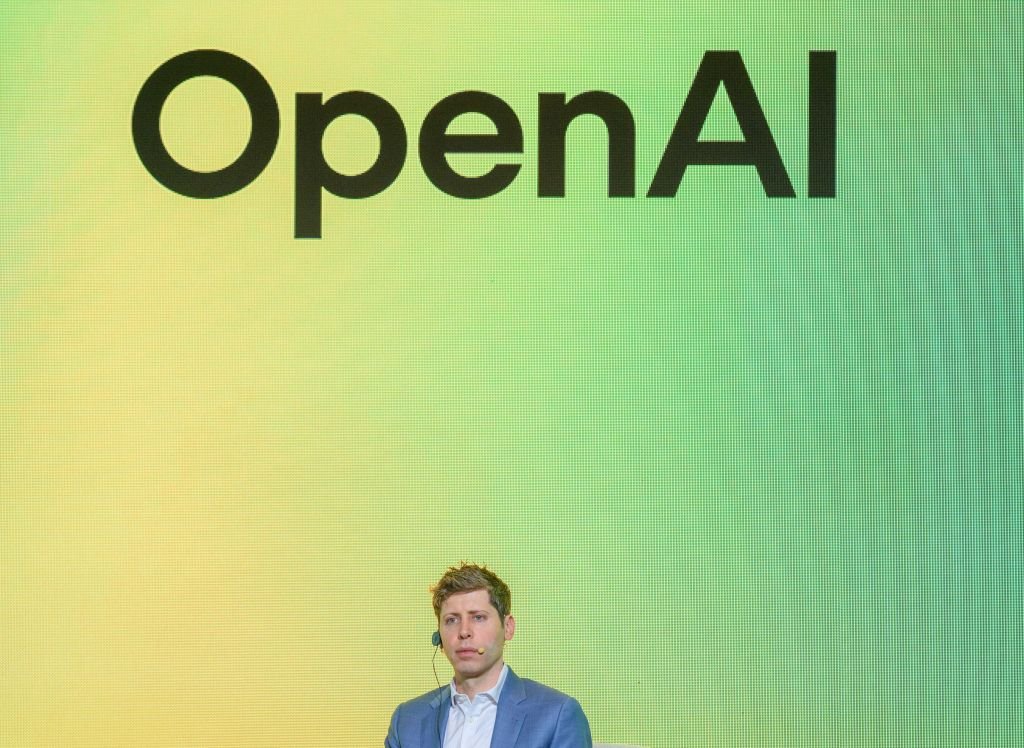
OpenAI has acquired an ownership stake in Thrive Holdings, a firm controlled by one of the AI giant’s primary backers, Thrive Capital. This strategic move marks the latest chapter in OpenAI’s evolving approach to market expansion.
The Mechanics of the Thrive Holdings Partnership
Thrive Holdings functions as a private equity entity specialized in the AI sector, focusing on acquiring and consolidating businesses within industries like IT services and accounting that stand to gain from advanced automation. While the financial terms of the agreement remain undisclosed, the deal involves a unique operational integration: OpenAI will dispatch personnel from its research, engineering, and product teams directly into Thrive’s portfolio companies.
The objective is to aggressively accelerate AI adoption and operational efficiency within these firms. Under this arrangement, if the portfolio companies achieve growth, OpenAI’s equity stake increases, and the company receives compensation for its technical contributions, according to sources familiar with the matter.
A Pattern of Interdependence
This partnership reflects a broader trend of circular dealmaking for the $500 billion AI powerhouse. Similar to its recent investments in infrastructure partners like CoreWeave and Advanced Micro Devices, OpenAI is creating a self-reinforcing ecosystem. For example, OpenAI’s $350 million equity investment in CoreWeave enabled that company to purchase Nvidia chips, which in turn provide the compute power essential to OpenAI—effectively boosting CoreWeave’s revenue and, consequently, the value of OpenAI’s own investment.
The deal with Thrive Holdings adopts a different structural approach, yet the underlying theme of interdependence remains. By embedding its own workforce to build and implement systems within Thrive’s companies, OpenAI ensures it profits directly from the growth it helps generate.
Market Skepticism and Corporate Defense
Thrive Holdings has pushed back against the “circular deal” narrative. A spokesperson for the firm stated that the partnership is a direct response to an “unmet need in the market” rather than an attempt to manufacture demand. They pointed to organic interest from portfolio firms like the accounting company Crete—which has reportedly saved hundreds of hours through AI tools—and the IT firm Shield as evidence of the partnership’s practical utility.
However, industry analysts remain cautious. The overlapping ownership structure, where Thrive Capital holds stakes on both sides of the table, complicates the ability of outside investors to distinguish between genuine market traction and success driven by OpenAI’s direct, subsidized intervention.
The Long-Term Outlook
The core question for observers is whether these Thrive-owned firms can build sustainable, profitable businesses using OpenAI’s technology independently. The alternative, as skeptics suggest, is that these valuations are being artificially inflated based on speculative potential rather than long-term commercial viability.