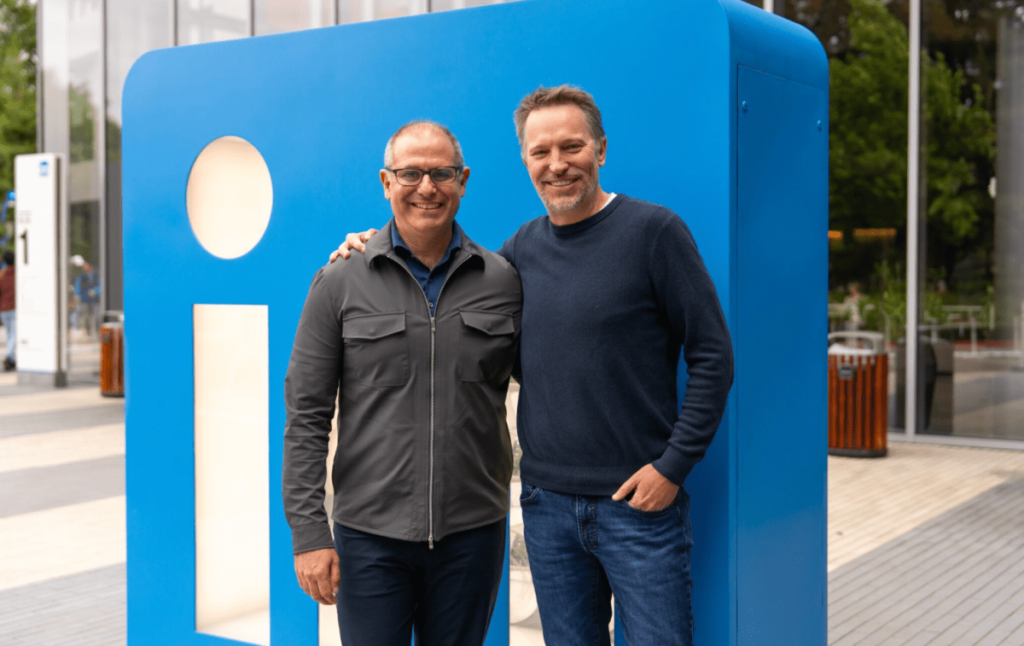
Ryan Roslansky officially stepped down as CEO of LinkedIn this Wednesday, concluding a six-year leadership tenure at the helm of the world’s largest professional network, with COO Dan Shapero immediately assuming the top role.
A Legacy of Rapid Growth
Roslansky’s impact on the platform is defined by significant scale. Joining LinkedIn in 2009 as one of Jeff Weiner’s earliest hires, he navigated nearly every department of the business before ascending to the CEO position in June 2020—a period marked by intense volatility in the global labor market during the pandemic.
When he took the reins, Roslansky inherited a platform boasting 700 million members and approximately $8 billion in annual revenue. He departs leaving behind a robust ecosystem of 1.3 billion members and $19 billion in annual revenue, marking a period of substantial financial and user-base expansion.
Transforming the Professional Landscape
This explosive revenue growth is largely tied to a strategic evolution that Roslansky accelerated: shifting LinkedIn from a standard job board into a full-fledged social network. Under his watch, the platform became a hub where executives share personal narratives, distribute career advice, and, on occasion, sob on camera. While these displays often sparked intense public reaction, they undeniably fueled the engagement metrics that define modern LinkedIn.
The Future at Microsoft
There is no need to speculate on Roslansky’s next chapter, as he remains an EVP at Microsoft, the parent company that acquired LinkedIn in 2016. He confirmed via LinkedIn that he will continue in his expansive role, with Shapero—who previously reported to him—maintaining that same reporting structure.
Correction: A previous version of this article misstated Roslansky’s role. His responsibilities are not expanding; he remains an EVP at Microsoft, a title he was given last June. The new CEO’s reporting structure is also unchanged.