B2B wholesale marketplace Fleek has raised $20.4 million to scale its platform, which digitizes the historically analog trade of secondhand clothing by connecting global wholesalers with retailers. The company’s commission model is tiered based on the quality and volume of goods, with the platform’s cut deducted directly from payments made by buyers to wholesalers.
Founders Kavin Arora and Sanket Agarwal identified a strategic opportunity when they realized the Indian subcontinent serves as a massive hub for the export and import of used garments. Their cultural proximity to these markets proved essential in building trust with large-scale, previously offline wholesalers.
From Basic Necessity to Virtuous Circles and Vintage Vibes
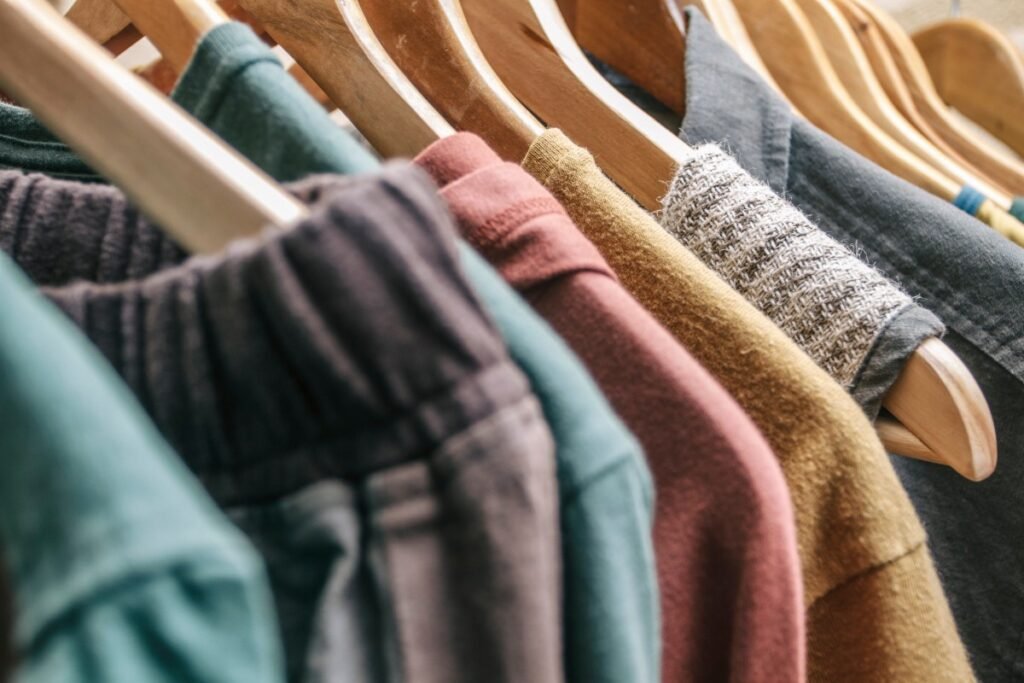
Secondhand clothing was once primarily associated with charity shops and lower-income retail, characterized by an entirely analog supply chain. Today, the market has undergone a significant transformation, particularly in developed economies, where “vintage” has become a status symbol. Consumers now prioritize secondhand items to express individuality, reduce waste, and participate in the circular economy, often paying premiums that rival or exceed the cost of new apparel.
The sector has seen an explosion of platforms, including eBay, Vinted, Poshmark, ThredUp, The RealReal, and Depop. According to data from GlobalData and ThredUp, used clothing now accounts for 10% of all clothing sales. Furthermore, research from the ECDB estimates that 68% of Gen Z and millennial consumers in the U.K. purchased at least one secondhand item last year.
While Fleek services a global customer base, its supply chain relies on massive warehouses in regions like Pakistan, India, and Dubai. These wholesalers act as the primary collectors and distributors of garments, often processing up to 400,000 kilograms of clothing daily—including intake, sorting, cleaning, and mending.
Fleek distinguishes itself by bringing this massive, chaotic physical operation into a highly organized digital interface. Retailers can purchase inventory via the platform based on specific criteria, including brand, material, style, size, and weight.
Scaling Technology and Future Logistics
Beyond merely digitizing the marketplace, Fleek is investing in proprietary technology to support its sellers and buyers. The platform currently offers predictive analytics to help retailers forecast fashion trends. Looking ahead, the company aims to integrate AI tools to enhance quality control and mitigate the industry-wide challenge of counterfeit goods.
“We want to bring on more buyers, bring on more sellers, and build technology to continue empowering these entrepreneurs on both sides of the marketplace,” Agarwal noted. Future development will likely focus on optimizing logistics, streamlining shipping, and refining the verification process for highly-rated wholesalers to ensure a more efficient trading experience.