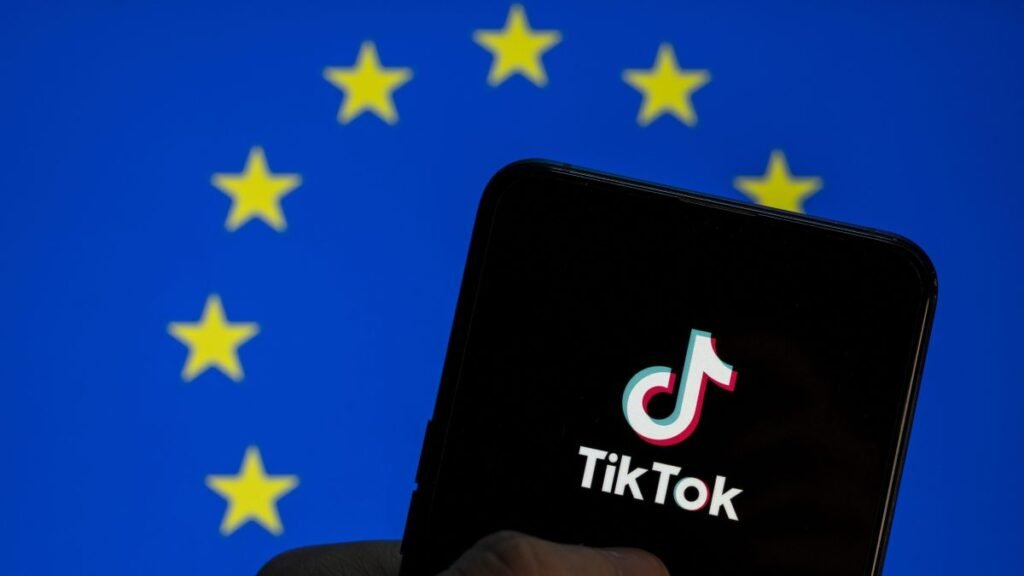
The European Commission has officially ordered TikTok to preserve all internal documents and data related to its recommendation algorithms and election security, signaling a major crackdown on potential manipulation ahead of critical votes.
The Threat of Algorithmic Amplification
While TikTok’s powerful algorithm drives engagement, it also creates a high-stakes environment where bad actors can exploit the platform to sway election outcomes. This development places the platform’s enforcement mechanisms under a microscope, specifically regarding its bans on coordinated inauthentic behavior and requirements for content transparency.
The Commission’s latest move serves as a stern warning to TikTok, effectively demanding that the platform demonstrate immediate accountability. Despite the urgency, critics argue the EU’s response has been sluggish, particularly with the second round of the Romanian election just days away—a test case for whether the Digital Services Act (DSA) can truly force platforms to uphold their terms of service.
Regulatory Scrutiny Deepens
This retention order follows a formal Request for Information (RFI) sent on November 29. That inquiry demanded detailed data on how TikTok mitigates risks from automated exploitation and recommender systems, while also questioning the platform’s compliance with DSA provisions regarding data access for external researchers studying democratic processes.
The EU previously issued an RFI on October 2, which focused on the design and mechanics of TikTok’s recommender systems in the context of elections. The platform was granted until December 13 to respond to the latest inquiry.
TikTok Algorithm
The EU’s preservation order explicitly targets information pertaining to the “TikTok algorithm.” The Commission stated: “TikTok must preserve internal documents and information regarding the design and functioning of its recommender systems, as well as the way it addresses the risk of intentional manipulation through coordinated inauthentic use of the service.”
Furthermore, the order covers systemic infringements related to the monetization of political content. This suggests regulators are actively investigating allegations that influencers in Romania were compensated to disseminate political propaganda.
Commission spokeswoman Patricia Poropat clarified the objective: “This is done to preserve available information and evidence in the event of a further Commission investigation of TikTok’s compliance with its obligations under the DSA.”
Enforcement and Response
Henna Virkkunen, the Commission’s Executive Vice President for tech sovereignty, security, and democracy, emphasized the gravity of the situation. “This preservation order is a key step in helping investigators establish the facts and adds to our formal requests for information which seek information following the declassification of secret documents yesterday,” she stated.
Virkkunen confirmed that the EU is intensifying collaboration with digital and cyber regulators across Europe to combat systematic inauthentic activity, reiterating her commitment to the robust enforcement of the Digital Services Act.
In response to the Commission’s directive, TikTok spokesperson Elliott Burton stated: “We have already been cooperating with the Commission and will continue to do so. We look forward to establishing the facts in light of some of the speculation and inaccurate reports we have seen.”