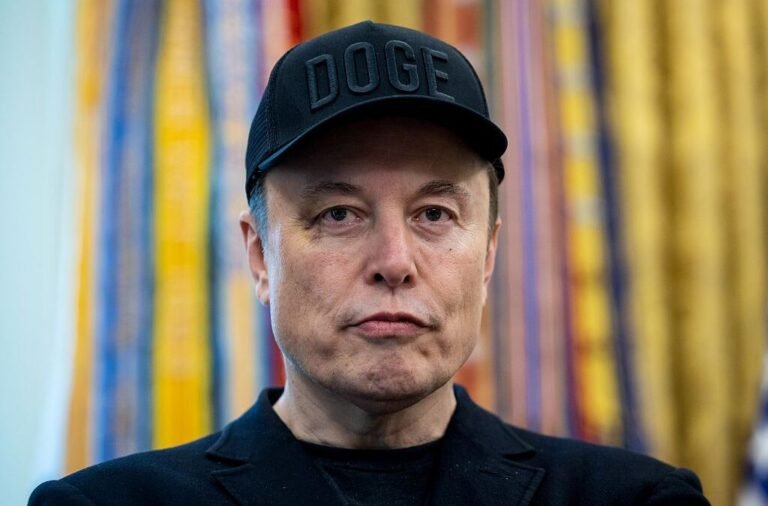

SpaceX is increasingly eyeing orbital data centers as a strategic play to justify its massive valuation, positioning space-based infrastructure as a potential solution to the growing regulatory and social hurdles facing terrestrial data center expansion.
The New Space Race: Amazon vs. SpaceX
Jeff Bezos is aggressively challenging this vision. The competition represents a next-generation escalation between Starlink and Amazon’s Kuiper satellite network. With Blue Origin also preparing its own satellite constellation for launch in the coming years, the race to orbit is heating up significantly compared to the landscape just a year ago.
Elon Musk’s approach is characteristically bold. Known for his aversion to “red tape”—evidenced by his recent data center project in Memphis—Musk appears to be leveraging his experience with terrestrial regulatory challenges to navigate the risks of space-based infrastructure.
Beyond Earth: Solving the Social Bottleneck
As opposition to terrestrial data centers grows across the U.S., the narrative of moving compute power to space is gaining traction. Proponents argue that the engineering challenges of orbital infrastructure may ultimately be more manageable than the social and political resistance encountered on the ground.
Kirsten: “It creates excitement. If a company is moving toward an IPO and working on space-based data centers, it signals a futuristic vision that allows investors to look past current constraints. It’s an incredibly effective strategy to frame the company as a pioneer of the future rather than a legacy player.”
Anthony: “Musk is a master at shifting the goalposts. He excels at convincing stakeholders not to judge his companies by current financial performance, but by the grand, future-oriented visions he projects. The question remains: how does this fit into the broader rollout of data centers, especially as public opposition makes terrestrial expansion increasingly difficult?”
Fantasy vs. Commercial Reality
While these plans carry a tinge of science fiction, experts note that even an ambitious space-based data center would only represent a fraction of the compute capacity required on Earth. It is viewed less as a replacement and more as a potential supplement to terrestrial infrastructure.
Sean: “We are seeing a slight cooling in the data center market, not just due to opposition, but due to shifting demand. AI labs are reconsidering their massive leasing requirements. If that trend continues, does the momentum for ‘crazy’ projects like space data centers dissipate?”
The SpaceX Advantage
The true genius of the proposal may lie in SpaceX’s unique position as a launch provider. Unlike competitors, SpaceX controls the delivery vehicle. Every satellite deployed for an orbital data center generates revenue for the launch division, creating a vertical integration that bolsters the company’s financial profile.
By continuously sending hardware to orbit, SpaceX secures consistent launch revenue, which in turn enhances its appeal as a public-facing entity. It becomes a self-sustaining cycle of innovation and revenue generation, providing a compelling narrative for investors until the next big vision takes center stage.
var playerInstance_31094561 = jwplayer( “jwppp-video-31094561” );
playerInstance_31094561.setup({
playlist: “https://cdn.jwplayer.com/v2/media/EcbMLsFO”,
})