Portland-based startup Canopii has successfully developed an autonomous, robotic greenhouse capable of managing the entire crop cycle—from seeding to harvest—without human intervention, aiming to reshape produce supply chains while avoiding the pitfalls that triggered the collapse of past indoor farming giants.
From Drought Observations to Robotic Solutions
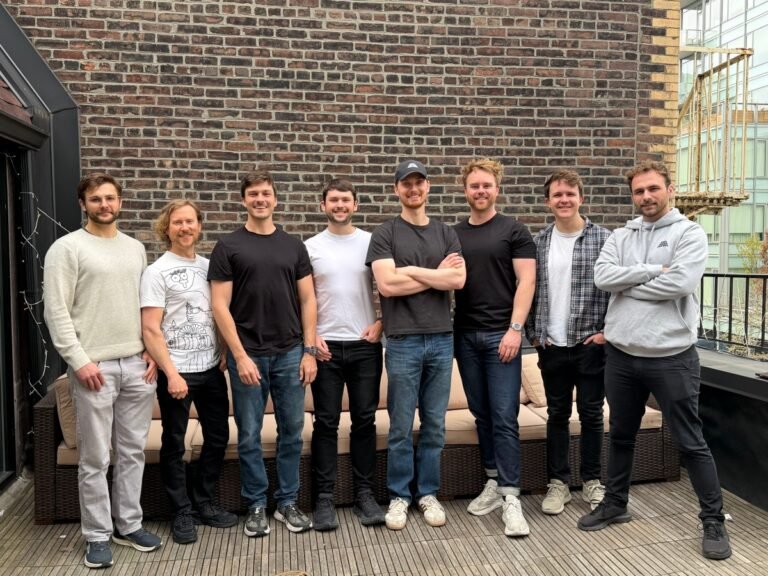
The inspiration for Canopii originated with founder David Ashton. Growing up near Sacramento and attending college in San Luis Obispo during the severe droughts of the late 2000s, Ashton was struck by the inefficiency of shipping water-intensive leafy greens across the country. He envisioned a system that could localize production, eventually turning this observation into a startup focused on shrinking the distance between farm and table.
Engineering Efficiency in Minimal Space
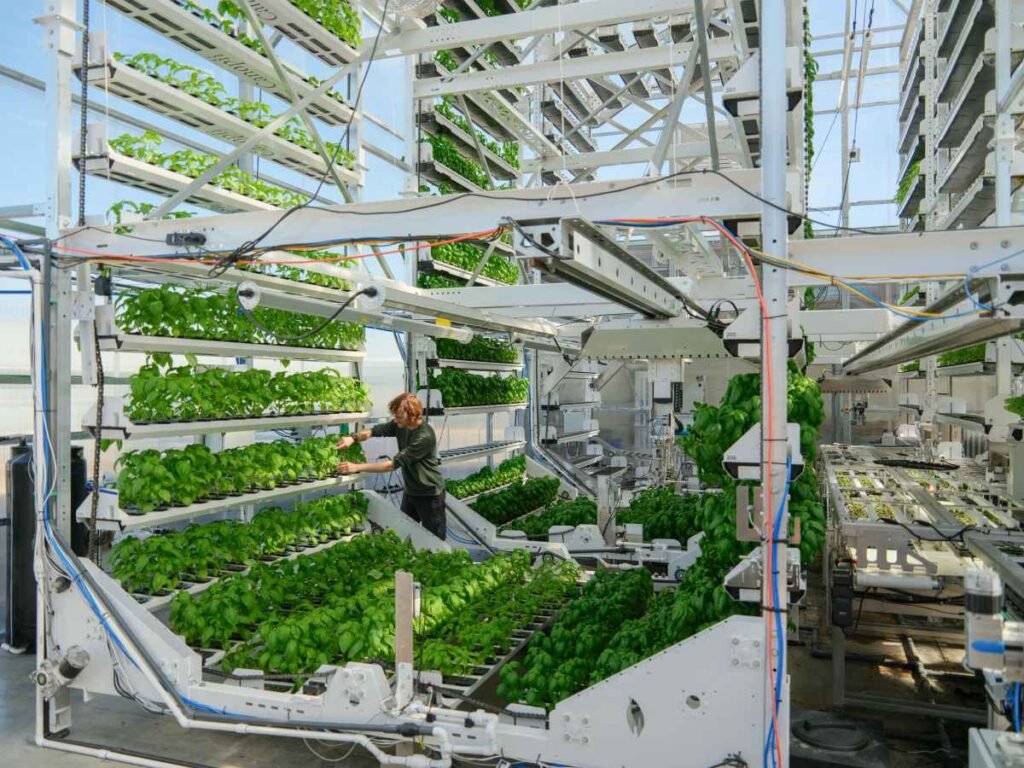
Canopii’s technology is designed for high-density, high-output production. The robotic greenhouses, manufactured by GK Designs, occupy the footprint of a basketball court yet generate up to 40,000 pounds of produce annually. Currently optimized for herbs and specialty crops like baby bok choy and gai lan, the system requires only a single water connection, highlighting the company’s focus on resource management.
A Different Path to Industry Maturity
Ashton began developing the technology at night while his wife attended medical school, spurred by the bankruptcy of a previous agtech employer. Over the last five years, the company secured $3.6 million in total funding, relying heavily on $2.3 million in grants from the National Science Foundation rather than immediate venture capital.
“We have an autonomous farm that grows everything from seed to harvest without any human intervention, and we did so with a very small team and very little capital,” Ashton noted. “I think that is very different from what the rest of the industry has experienced.”
Avoiding the Vertical Farming Trap
The indoor farming sector has historically been volatile, with well-funded entities like Bowery Farming and Plenty facing bankruptcy or significant struggles after burning through massive capital. Ashton attributes Canopii’s stability to a deliberate, slow-growth strategy.
“The capital stack has to be diversified beyond VC,” said Ashton. “We’re five years in, and we’re still just iterating on one farm, which has allowed us to learn so much. If we had taken VC money right away and tried to scale after year one or two, that wouldn’t have been possible with food infrastructure.”
Future Commercialization and Scalability
With the automation technology proven, Canopii is now planning its first commercial farm in downtown Portland. The company has already seen inbound interest from a variety of sectors, including schools, casinos, and restaurants. Long-term, the vision involves franchising these units and eventually pursuing venture capital now that the underlying infrastructure is validated.
“We can mass produce it like a car,” Ashton added. “A big achievement is that the whole system runs off 100 AMPs and 240 volts—that’s house power. You could literally put this in a backyard. That speaks to the level of resource management we’ve achieved.”