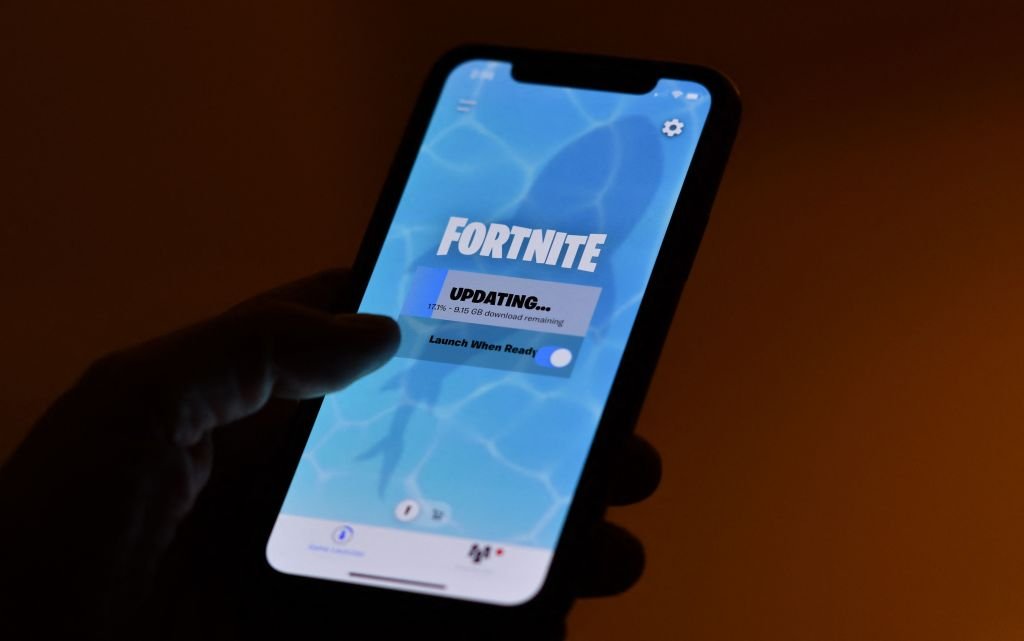
U.S. District Judge Yvonne Gonzalez Rogers has issued a stern ultimatum to Apple, demanding the immediate approval of Fortnite on the U.S. App Store or a formal court appearance to justify its continued refusal.
Court Challenges Apple’s Defiance
In a recent filing, Judge Gonzalez Rogers acknowledged a motion from Epic Games requesting the court to compel Apple to distribute the game. The judge expressed clear frustration, demanding that Apple present the “legal authority upon which Apple contends that it can ignore this Court’s order.”
The court has explicitly instructed Apple to identify the specific company official responsible for ensuring compliance with the judicial decision. This request carries significant weight, signaling that the judge is prepared to consider contempt charges if Apple persists in stalling.
— Tim Sweeney (@TimSweeneyEpic) May 19, 2025
The Standoff Over Payment Links
The conflict intensified after Epic Games secured the right to include links to external payment systems within its apps. Following this, Epic resubmitted Fortnite to the U.S. App Store. However, Apple notified the developer that it would withhold action on the submission until the Ninth Circuit rules on its pending request for a partial stay of the injunction.
Epic Games filed a motion on Friday to enforce the injunction, arguing that Apple’s delay tactics are a direct violation of the court’s authority. This follows earlier rulings where Judge Gonzalez Rogers accused the tech giant of attempting to circumvent court orders and even suggested the company had provided misleading testimony under oath.
Historical Context: Antitrust and App Store Policies
This legal battle stems from years of litigation regarding Apple’s restrictive App Store policies. Previously, Apple prohibited developers from linking to external payment options to avoid the company’s 30% commission. While Apple attempted to comply by allowing U.S. developers to apply for exceptions, it still imposed a 27% commission and required “scare screens” to deter users from using alternative payment methods.
In a previous ruling, the judge determined that Apple was in “willful violation” of the injunction regarding anticompetitive pricing. Despite this, Apple chose to leave the Fortnite submission in limbo for a week while its legal team formulated a response.
Global Implications for Tech Giants
While Apple emerged as the victor in the original antitrust suit—with the court ruling it was not a monopolist—Epic Games succeeded in securing the right for iPhone users to access alternative payment options for in-app purchases. Since that decision, companies such as Spotify, Amazon Kindle, and Patreon have updated their apps to utilize these new payment pathways.
The outcome of this current dispute could set a significant precedent, potentially triggering further regulatory scrutiny or legal challenges in international markets. Both Epic Games and Apple declined to provide additional comments regarding the latest developments.