
Meta announced on Wednesday the launch of new video editing features for Meta AI, allowing users to modify short-form content through preset prompts that alter costumes, environments, and visual styles. This strategic move pits Meta against major competitors like Google and specialized AI-editing platforms such as Captions, as the company pushes further into the generative video space.
Expanding Creative Control Across Meta Platforms
The new suite of editing tools is currently rolling out in the United States across the Meta AI app, the Meta.ai website, and “Edits,” the company’s direct competitor to CapCut. While Meta noted that the functionality draws inspiration from its sophisticated Movie Gen AI models, the company has not explicitly confirmed whether those specific models serve as the underlying engine for these new editing features.
At launch, users are limited to 50 curated presets designed to transform 10-second video clips. Meta developed these specific presets based on direct feedback from creators to ensure seamless integration within the Edits application environment.
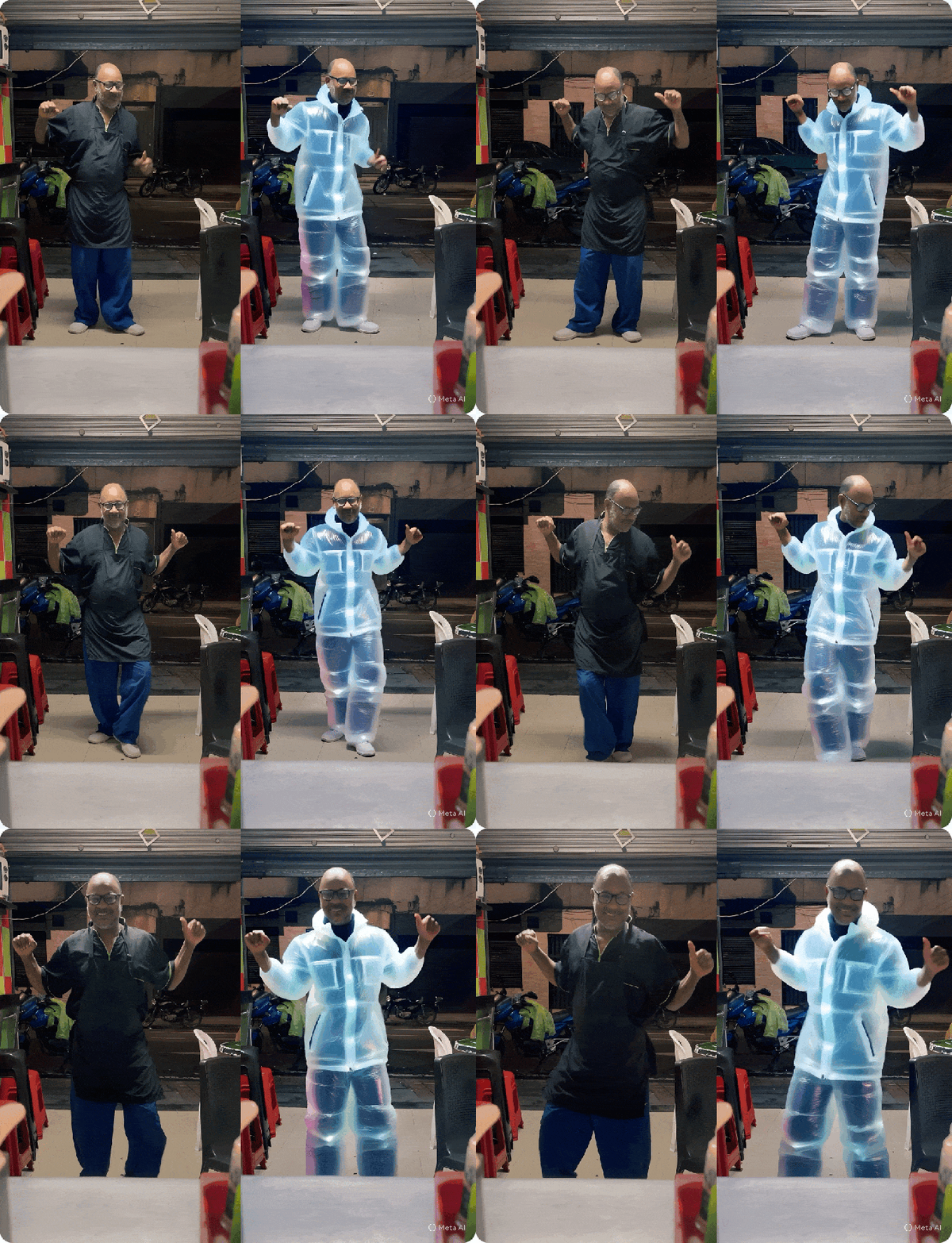
Transforming Clips with AI Presets
These presets offer a variety of creative transformations, ranging from applying a “vintage comic book” aesthetic to shifting the lighting to simulate a rainy day or swapping a subject’s outfit for a space cadet suit. Once editing is complete, users can share their content directly to Facebook and Instagram from within the Edits and Meta AI applications.
Future Roadmap and Strategic Goals
Meta has confirmed plans to expand customization options later this year. “We built this so that everyone can experiment creatively and make fun, interesting videos to share with their friends, family, and followers,” the company stated in a recent blog post. “Whether you’re reimagining a favorite family memory or finding new ways to entertain your audience, our video editing [tools] can help.”
By integrating these video editing capabilities alongside its existing image generation tools, Meta is signaling a clear intent to capture more creator traffic, encouraging users to rely on its native ecosystem rather than migrating to third-party editing applications.