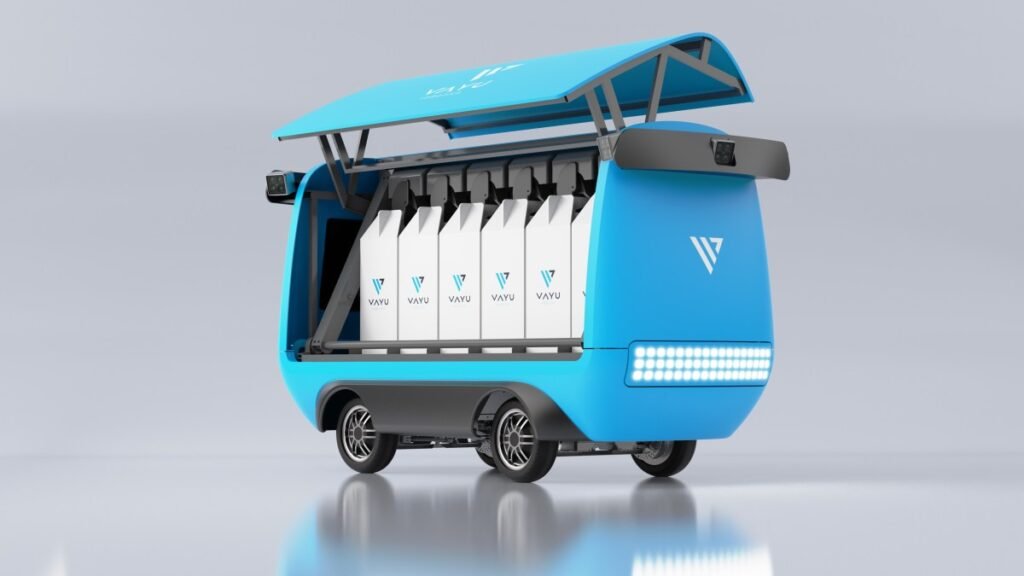
Former Velodyne CEO Anand Gopalan is steering his delivery robot startup, Vayu, away from traditional LiDAR technology, opting instead to leverage the power of foundation models to tackle persistent industry challenges. The company aims to overcome the scalability and cost hurdles that have hampered autonomous delivery robots for the past decade by utilizing advanced AI architectures instead of expensive laser-based sensors.
Shifting Away from LiDAR Dependency
For years, LiDAR has been the industry standard for autonomous navigation, providing robots with a precise 3D map of their surroundings. However, high costs and technical complexities have frequently limited the widespread deployment of delivery bots. By pivoting toward foundation models, Vayu is betting that sophisticated software and machine learning can effectively interpret environments, potentially replacing the need for bulky, costly hardware.
Scalability and the Future of Logistics
“The unique set of technologies we have developed at Vayu have allowed us to solve problems that have plagued delivery robots over the past decade, and finally create a solution that can actually be deployed at scale and enable the cheap transport of goods everywhere,” Gopalan notes.
Redefining Autonomous Navigation
The transition toward foundation models represents a broader trend in robotics: moving from hard-coded sensor reliance to AI-driven reasoning. By training models on vast datasets, Vayu intends to create robots capable of navigating complex urban landscapes with greater adaptability. This approach could significantly lower the barrier to entry for retailers and logistics providers looking to automate last-mile delivery without the prohibitive overhead of current sensor-heavy platforms.