Researchers at MIT CSAIL have unveiled a groundbreaking method to train domestic robots by converting iPhone-captured home scans into high-fidelity digital simulations. This innovation addresses the primary hurdle in home robotics: the chaotic, unstructured nature of living spaces, where layouts, lighting, and moving objects render traditional training methods ineffective.
Bridging the Gap Between Simulation and Reality
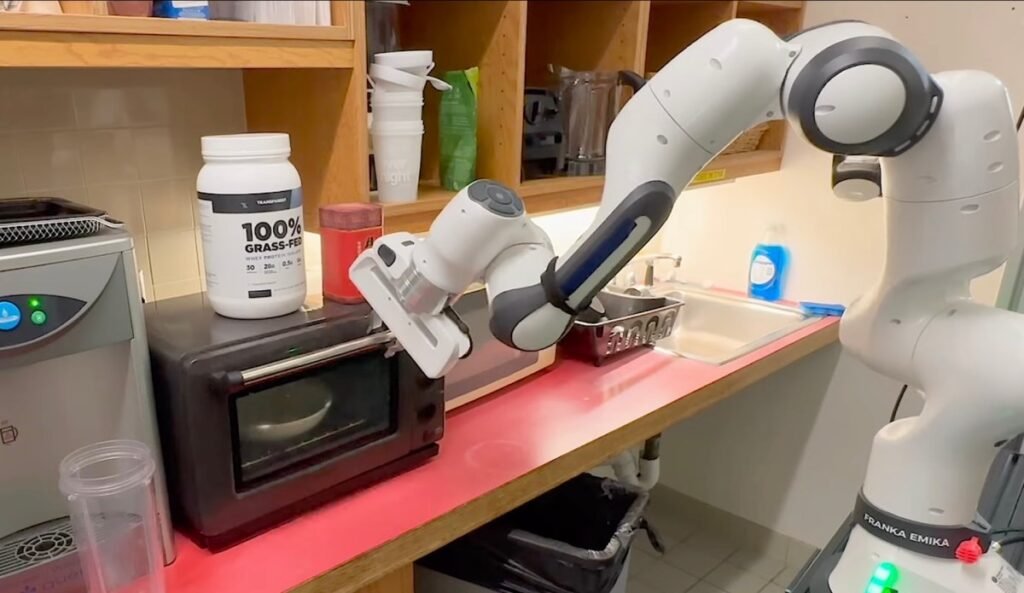
The challenge of domestic robotics lies in the lack of uniformity. Unlike controlled factory floors, homes are constantly in flux, populated by humans, pets, and shifting furniture. While robots can map these environments, adapting to them in real-time remains a significant barrier. By showcasing a new method this week, the MIT team demonstrates how everyday hardware—the iPhone—can be used to bridge this gap.
Why Simulation Is Essential for Robotics
Simulation has become the cornerstone of modern robotics. It allows machines to perform tasks millions of times within a compressed timeframe, a feat impossible in the physical world. Furthermore, it eliminates the high cost of failure. As researcher Pulkit Agrawal notes, teaching a robot to load a dishwasher without simulation would result in hundreds of shattered mugs; in a virtual environment, that same robot can fail a thousand times without consequence.
“Training in the virtual world in simulation is very powerful, because the robot can practice millions and millions of times,” Agrawal explains in the research video. “It might have broken a thousand dishes, but it doesn’t matter, because everything was in the virtual world.”
Building Adaptability Through Accessible Data
While simulation is powerful, its utility is limited if the virtual environment doesn’t mirror the user’s specific home. By making the creation of these simulations as simple as scanning a room with a smartphone, the researchers are drastically increasing the robot’s potential for adaptability.
Developing a robust database of diverse home environments ensures that these systems become more resilient. When a robot is trained on a wide array of scanned spaces, it learns to handle the inevitable irregularities of daily life, such as misplaced furniture or items left on countertops, leading to a more capable and reliable domestic assistant.