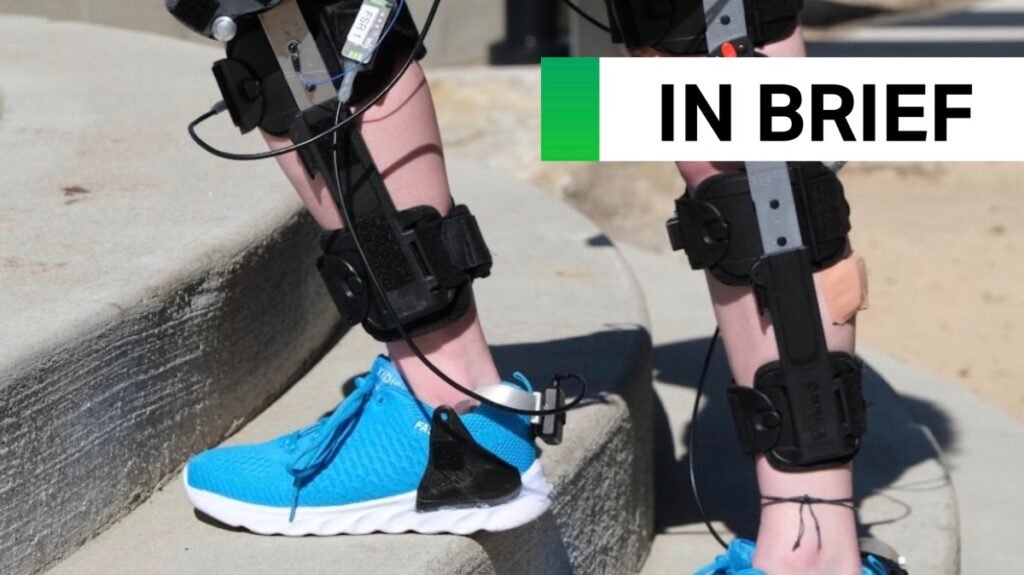
University of Michigan researchers have developed a low-cost robotic knee exoskeleton using off-the-shelf consumer knee braces and drone motors to improve manual lifting safety. By focusing on leg support rather than back bracing, this new device aims to prevent the poor lifting posture often caused by traditional exoskeletons.
Strengthening Legs Over Bracing Backs
Standard workplace exoskeletons often target the back to mitigate strain, but experts argue this approach can inadvertently encourage users to adopt poor lifting techniques. Addressing this issue, the research team pivoted to a leg-centric design.
“Rather than directly bracing the back and giving up on proper lifting form,” explains U-M professor Robert Gregg, “we strengthen the legs to maintain it.” By offloading the physical demand to the lower body, the system allows the wearer to maintain natural, ergonomic movement while handling heavy loads.
Performance Gains in Real-World Testing
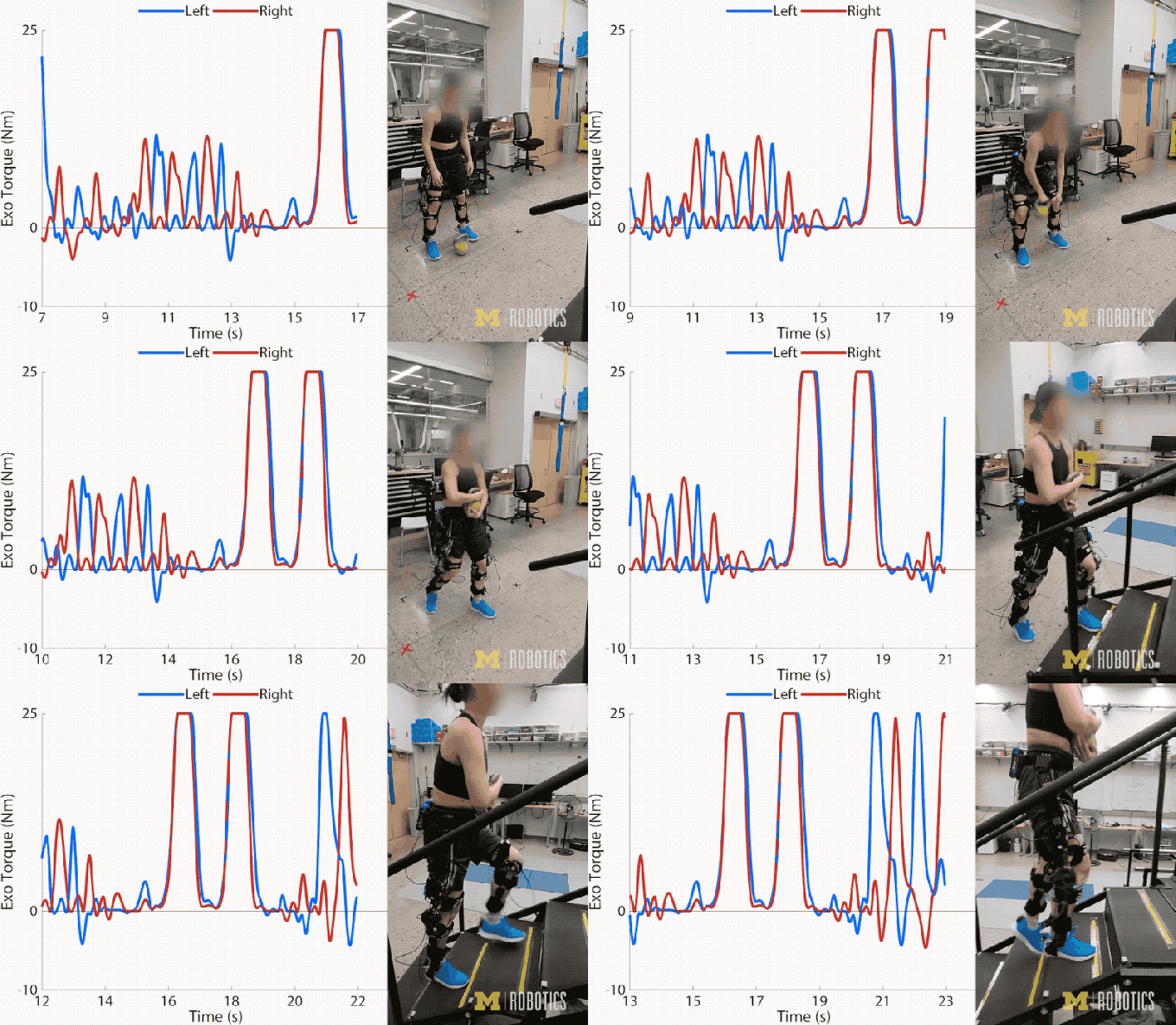
To evaluate the effectiveness of the robotic knee exoskeleton, researchers conducted trials where subjects were tasked with moving a 30-pound kettlebell while navigating a flight of stairs. The data confirmed that the wearable technology successfully assisted users in maintaining proper lifting mechanics.
Beyond improved form, the study highlighted a secondary benefit: efficiency. Participants were able to complete the lifting tasks significantly faster while wearing the robotic braces compared to performing the same actions unaided, demonstrating the potential for both safety and productivity gains in labor-intensive industries.