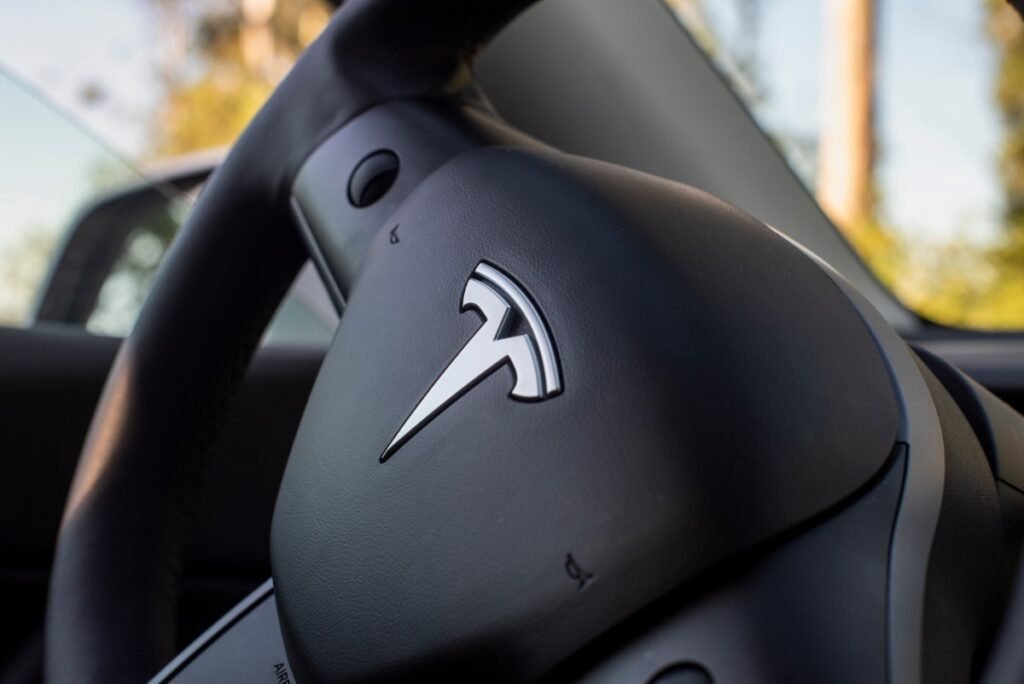
Tesla is actively building a dedicated teleoperations team to support its future robotaxi service, signaling a shift toward remote intervention capabilities for its autonomous vehicle fleet. This infrastructure will likely involve complex user interfaces that mimic driving controls, providing operators with real-time mapping and decision-making support to navigate edge cases or accident scenarios that autonomous systems cannot resolve independently.
The Evolution of Remote Vehicle Control
Unlike standard robotics, robotaxi teleoperation requires more robust communication networks capable of functioning over wide geographical areas. Operators will be tasked with logging every intervention, creating a vital data pipeline for future software refinements. This layer of human-in-the-loop oversight is essential for managing the unpredictable variables inherent in public road navigation.
Cybercab and the Path to Production
Tesla officially unveiled its purpose-built robotaxi prototype, the Cybercab, last month. Designed without a steering wheel or pedals, the vehicle is intended to transport two passengers. While Elon Musk has targeted production for 2026 or 2027, industry analysts suggest caution regarding these deadlines, given Musk’s history of missing ambitious targets—most notably his 2022 projection that robotaxi mass production would begin this year.
Ambitious Timelines in California and Texas
Despite production hurdles, Musk intends to launch a ride-hailing service in California and Texas by 2025. According to the CEO, Tesla is already conducting internal testing of this autonomous service in the Bay Area using employee drivers. The scope of the new teleoperations team remains a point of speculation; it is currently unclear if the team will focus exclusively on the Cybercab or if it will also provide support for existing consumer Teslas.
The Future of Full Self-Driving
For years, Musk has promised that existing Tesla hardware would achieve full autonomy via over-the-air updates, a claim he has since tempered as the complexities of real-world driving have become more apparent. As the company moves closer to its robotaxi launch, the role of teleoperation will likely prove critical in bridging the gap between current driver-assistance technology and true, driverless operations. Tesla has not yet provided additional details regarding the specific structure or scale of this new operations team.