
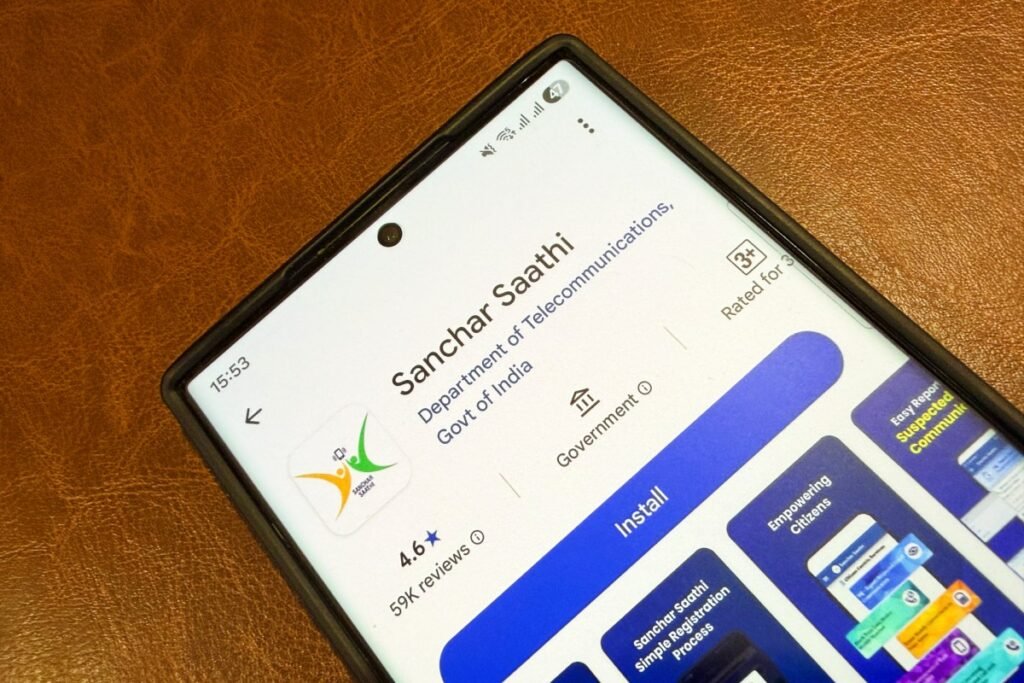
The Indian government has officially scrapped its controversial mandate requiring smartphone manufacturers to preinstall state-run applications on new devices following significant industry pushback and privacy concerns.
Industry Resistance and Feasibility Concerns
The directive faced immediate friction from the tech sector. Device manufacturers privately questioned the feasibility of enforcing a permanent, system-level app integration, citing a lack of clear legal backing for such a sweeping requirement.
Deputy telecom minister Pemmasani Chandra Sekhar said in media interviews that Apple notably did not participate in the working group for the initiative, distancing itself from the proposal while other major smartphone makers engaged in discussions.
Sanchar Saathi’s Growing Footprint
Despite the reversal of the preinstallation mandate, the government’s digital ecosystem remains active. According to data from marketing intelligence firm Sensor Tower, the Sanchar Saathi platform recorded over 3 million monthly active users in November. Web traffic has also seen a sharp upward trajectory, with monthly unique visitors climbing more than 49% year-over-year.
Digital Rights Groups Demand Legal Clarity
The Internet Freedom Foundation, a digital rights advocacy group based in New Delhi, labeled the reversal a “welcome development.” However, the organization urged caution, emphasizing that they are still waiting for the formal legal order to accompany the government’s announcement. The foundation stated that “cautious optimism, not closure” is necessary until revised directions under the Cyber Security Rules, 2024, are officially published and verified.
Ongoing Expansion of the Sanchar Saathi Ecosystem
While the preinstallation requirement has been dropped, other components of the Sanchar Saathi infrastructure continue to scale. Recommerce and device trade-in platforms remain under obligation to validate all hardware through a central IMEI database. Furthermore, the telecom ministry is currently piloting an API designed to allow these private firms to submit customer and device data directly to the state.