OpenAI is aggressively pursuing a two-pronged strategy—acquiring niche startups like Hiro and media entities like The Browser Company’s Podcast Network (TBPN)—to address mounting existential threats regarding business sustainability and public perception.
The Acqui-hire Strategy: Talent Over Products
The recent acquisition of personal finance startup Hiro, which launched only two years ago, signals a clear “acqui-hire” move. With the company folding and sunsetting its product, OpenAI is evidently prioritizing the acquisition of specialized talent. It remains unclear whether OpenAI intends to integrate Hiro’s expertise into a new personal finance tool or if the team is being absorbed into the broader OpenAI ecosystem to bolster product innovation.
Similarly, the acquisition of TBPN—the team behind a popular daily show—raises questions about editorial independence. While OpenAI claims the team will retain its voice, industry observers remain skeptical. Placing media creators under the umbrella of public policy and communications departments often complicates the promise of objective journalism.
Addressing OpenAI’s Existential Hurdles
These moves are not merely about headcount; they reflect the core challenges OpenAI faces today. First, there is the sustainability question: while ChatGPT is a massive consumer success, it remains unproven as a long-term, profitable business model that doesn’t rely on record-breaking private funding rounds. By bringing in serial entrepreneurs like the Hiro team, OpenAI is likely searching for consumer “hooks” beyond the standard chatbot interface.
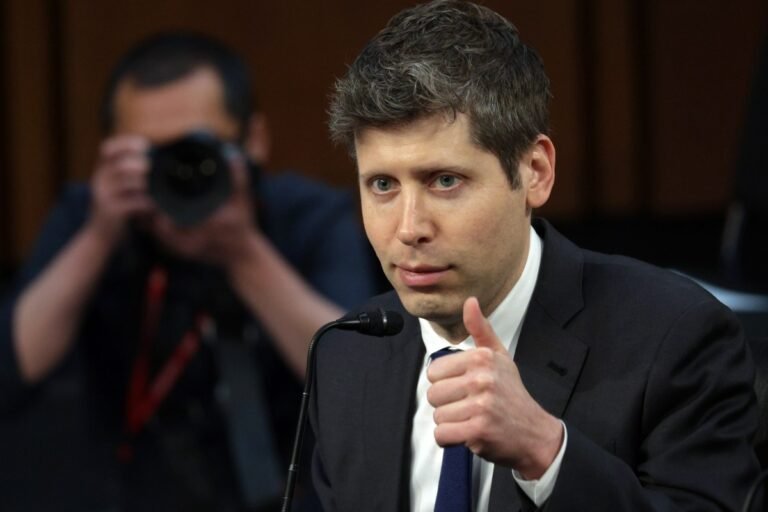
Second, the TBPN acquisition acts as a buffer for the company’s public image. Recent scrutiny, including a probing report by Ronan Farrow in The New Yorker, has put significant pressure on Sam Altman and the OpenAI leadership. Shaping the narrative through controlled media channels appears to be a defensive maneuver against this rising tide of skepticism.
The Anthropic Factor and Enterprise Competition
The competitive landscape is shifting, with Anthropic emerging as a formidable rival in the enterprise sector. While some argue that the AI market is large enough for both to coexist, there is significant evidence that OpenAI views Anthropic’s rise with intense concern.
Recent industry events, such as the HumanX conference, have highlighted a growing developer preference for tools like Claude Code over ChatGPT. This shift is particularly alarming for OpenAI, as the enterprise and coding sectors represent the most viable pathways to long-term financial sustainability.
var playerInstance_31140501 = jwplayer( “jwppp-video-31140501” );
playerInstance_31140501.setup({
playlist: “https://cdn.jwplayer.com/v2/media/oT7J0xzC”,
})