Driven by an aging population and a widening labor crisis, Japan’s service robot industry is forecasted to surge nearly 300% to ¥400 billion ($2.7 billion) by 2030, according to recent data from Bloomberg.
Addressing a Looming Workforce Collapse
The rapid adoption of automation is a strategic response to severe demographic pressures. The Recruit Works Institute anticipates a staggering labor shortfall of 11 million workers by 2040. Simultaneously, government projections indicate that nearly 40% of Japan’s total population will be aged 65 or older by 2065, leaving businesses with little choice but to integrate robotics into daily operations to maintain productivity.
Robots on the Frontline: The Skylark Case Study
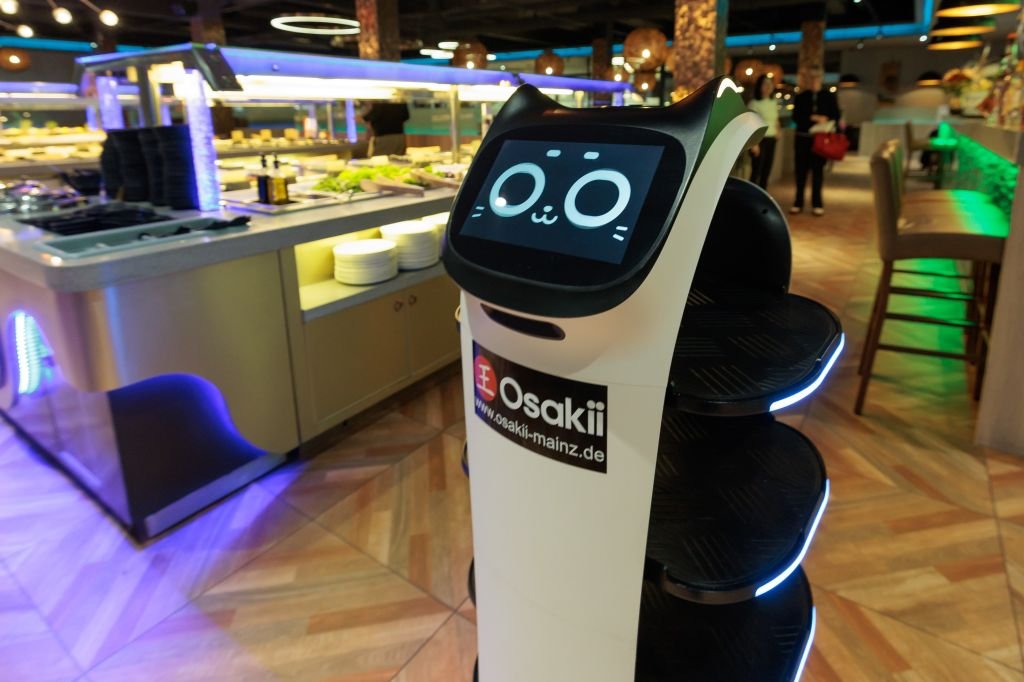
The practical application of this technology is already visible across the country’s hospitality sector. Skylark, Japan’s largest table-service restaurant chain, has deployed approximately 3,000 cat-eared robots to handle food delivery tasks. These machines act as a critical bridge, allowing human staff to focus on more complex customer service interactions.
The Human-Robot Workplace Dynamic
For employees, the transition is becoming a daily reality. Yasuko Tagawa, a 71-year-old worker at a Tokyo Skylark location, reports that approximately half of her current responsibilities now involve some form of robotic assistance. The integration has become so seamless that Tagawa was recently overheard thanking a robot for its help, saying, “Thanks for your hard work. I’ll be counting on you.”