Norwegian startup Sonair has secured $6 million in new funding to scale its innovative 3D ultrasonic sensor technology, designed to enhance safety in robotics and industrial environments by preventing human-machine collisions.
Meeting the Growing Demand for Robotic Safety
Since the sensor’s release earlier this year, Sonair has experienced robust demand from the robotics industry. CEO Sandven noted that numerous manufacturers are already planning to integrate the company’s ultrasonic hardware into their upcoming robot models.
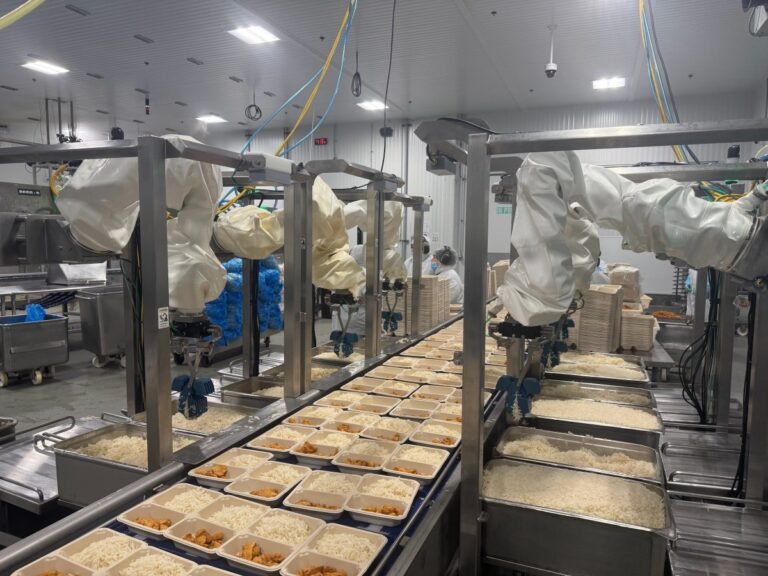
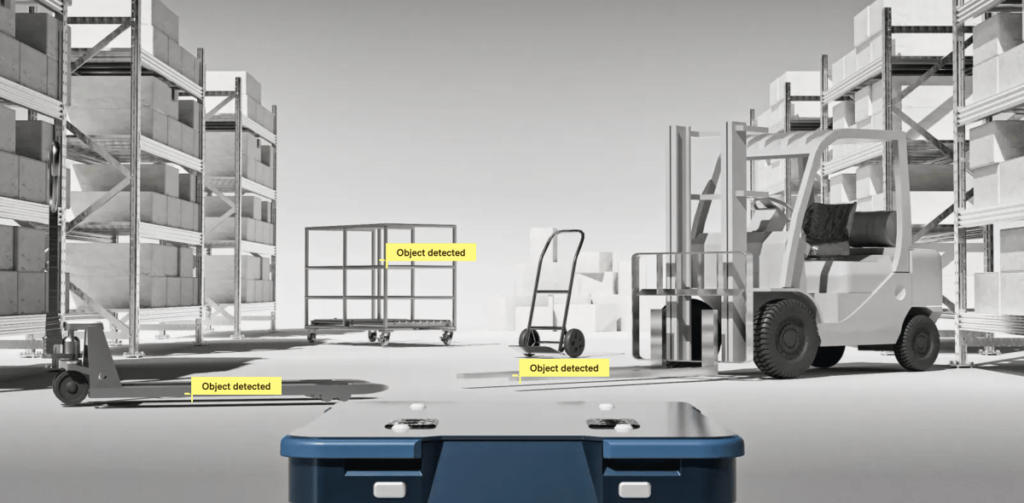
Beyond standard robotics, the industrial safety sector has emerged as a key market. Companies are deploying these sensors to monitor restricted zones; the system automatically shuts down heavy machinery the moment a human enters a danger zone, effectively mitigating workplace accidents before they occur.
Strategic Funding to Fuel Expansion
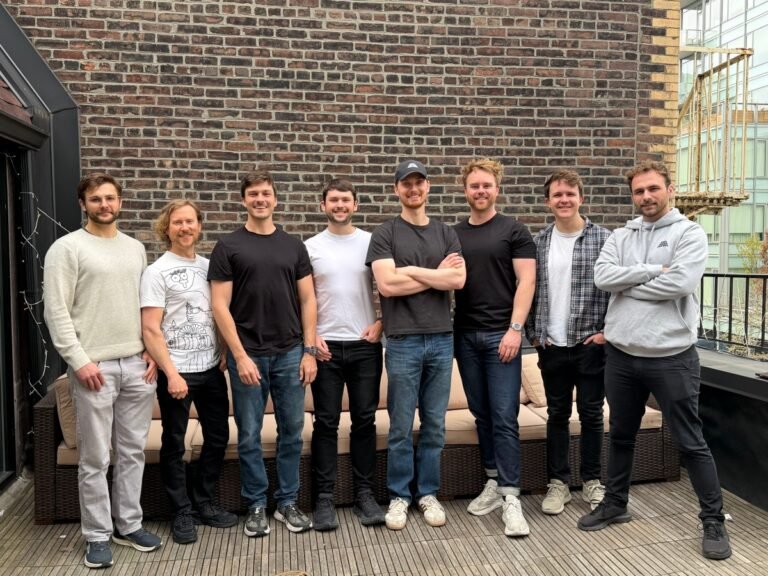
The $6 million funding round, aimed at accelerating market adoption, saw participation from both new and returning investors, including Scale Capital, Norway’s state-backed Investinor, and ProVenture.
Sandven highlighted that investors familiar with the robotics landscape quickly grasped the critical nature of the problem Sonair is solving. As robots increasingly share spaces with humans, safety protocols are becoming as essential as those developed during the nascent stages of the autonomous vehicle industry.
The Humanoid Challenge: Safety as a Hurdle
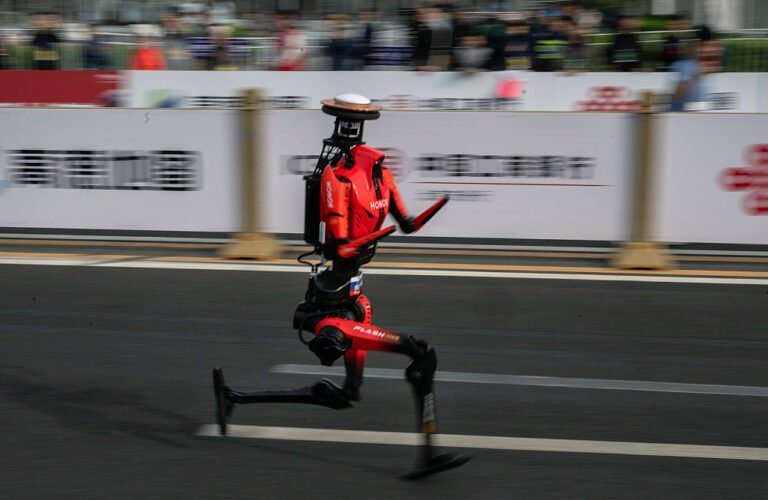
Safety remains a primary barrier to the widespread adoption of domestic robotics. Fady Saad, a general partner at Cybernetix Ventures, has pointed out that public hesitation regarding humanoid robots stems largely from legitimate safety and security concerns.
“The dirty secret of humanoids at home is the significant safety and security concern,” Saad previously stated. “If a robot falls on a pet or a child, it will cause harm. This is a massive hurdle that very few are currently addressing.”
Looking Ahead: Sonar as a Standard
While Sonair currently faces no direct competition for its specific sonar-based sensing solution, the company remains aware that the market is rapidly evolving as more firms attempt to solve the robotic safety puzzle.
“My goal is to have this technology in all robots, similar to how cameras are now standard,” said Sandven. “By this time next year, we will have a much clearer picture of whether we are successfully moving toward that ubiquity.”