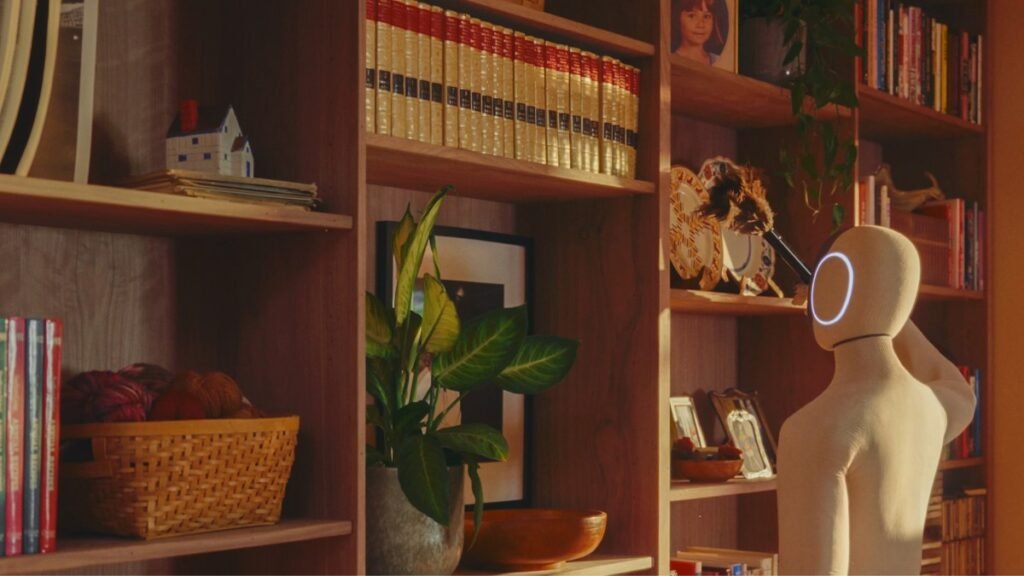
Robotics firm 1X is shifting its strategy, prioritizing the deployment of its “Neo” humanoid robots into factories and warehouses rather than consumer households. The company’s pivot follows significant market challenges, including high price points and unresolved safety concerns, signaling a move toward more immediate industrial applications.
Why the Home Market Remains Out of Reach
While the vision of a household robot is compelling, the reality remains a difficult sell. A primary barrier is the $20,000 price tag, which drastically narrows the potential consumer base. Furthermore, the Neo model introduces significant privacy hurdles; reports indicate that human operators from 1X are capable of viewing a home environment through the robot’s eyes, a feature that poses substantial privacy risks for prospective users.
Safety and Scalability Challenges
Beyond privacy and cost, physical safety remains a critical concern. The size and inherent instability of humanoid robots present risks, particularly in homes with pets and small children. Industry experts and venture capitalists have expressed skepticism regarding the timeline for consumer adoption, suggesting that widespread integration into daily life is likely a decade away.
Commercial Momentum Amidst Strategic Shifts
Despite the pivot away from residential consumers, 1X reports strong commercial interest. While the company has not disclosed specific preorder figures for the Neo, a spokesperson confirmed that demand has “far exceeded” internal targets. Founded in 2014, 1X has secured over $130 million in funding from prominent investors, including EQT Ventures, Tiger Global, and the OpenAI Startup Fund, providing the necessary capital to scale its industrial operations.