iRobot has officially entered a court-supervised restructuring process to address its mounting financial instability, pledging to honor all employee commitments and outstanding vendor payments throughout the proceedings.
Business as Usual or Impending Uncertainty?
The immediate future for consumers remains a primary concern, though the company is working to manage expectations. “To be clear, today’s news has no impact on our business operations or our ability to serve our customers – which continues to be our top priority,” stated iRobot spokeswoman Michèle Szynal in an emailed response. She further emphasized that the company remains committed to its current product lineup and ongoing innovations designed to simplify home maintenance.
While iRobot’s public messaging insists on operational continuity, its legal filings reveal the inherent volatility of the bankruptcy process. These disclosures highlight significant uncertainties regarding supplier retention, the execution of the restructuring plan, and the long-term viability of the company itself.
Will Your Roomba Become Obsolete?
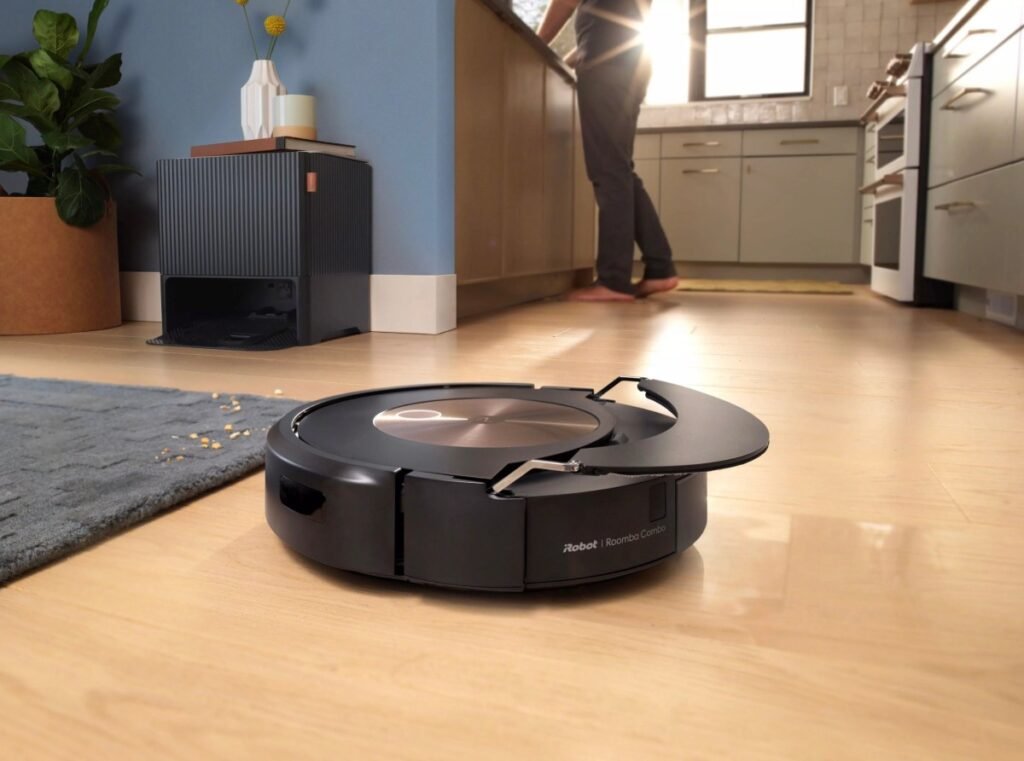
As highlighted in recent reports regarding iRobot’s financial decline, the worst-case scenario—a complete company collapse and subsequent cloud service shutdown—would not render existing Roombas entirely useless. The hardware’s manual controls are designed to function independently of cloud connectivity, allowing users to initiate cleaning cycles or return the device to its dock via physical buttons.
However, the loss of cloud support would severely degrade the “smart” features that define the modern iRobot experience. Owners would likely lose access to advanced functionality, including app-based scheduling, granular room-specific cleaning commands, and integration with voice assistants like Alexa.