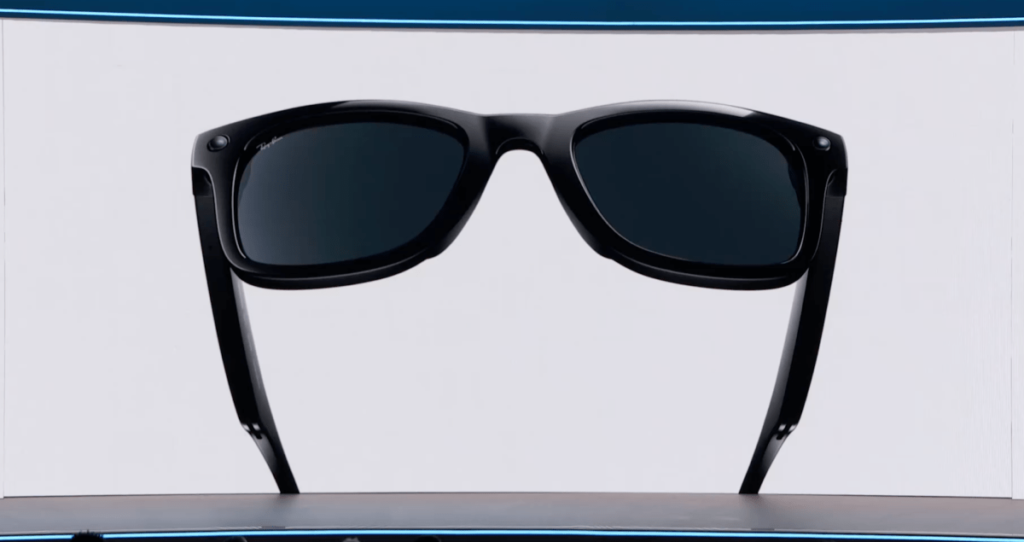
At the Connect 2026 conference on Wednesday, Meta officially introduced its first camera-free AI glasses, named Ray-Ban Meta Audio. This move comes as a response to growing concerns regarding the misuse of AI glasses, which have been criticized for enabling covert recording without consent. The new glasses, designed to focus solely on audio features, will allow users to enjoy music, podcasts, and calls, as well as interact with Meta’s AI assistant, Muse.
Developed in collaboration with EssilorLuxottica, a key partner for Meta in its AI hardware initiatives, these glasses will retail starting at $349.
Meta’s decision to launch audio-only glasses appears to be a strategic effort to repair its image following backlash over previous models that included cameras. Critics highlighted issues with privacy, referring to such devices as “pervert glasses.” In response, Meta had previously attempted to address these concerns by implementing features to deactivate the camera if the recording indicator was tampered with, but the perception of creepiness remained a challenge.
The Ray-Ban Meta Audio glasses could resonate well with consumers, especially as they compete with offerings like Apple’s Siri-enabled AirPods. Meta CEO Mark Zuckerberg emphasized the importance of audio quality, stating, “Once you get used to high quality audio, it’s just a thing that you want all the time, right?” He noted that the company recognized the potential to create an entirely new category of glasses centered around audio.

The Ray-Ban Meta Audio glasses are anticipated to be slimmer than their camera-equipped counterparts, weighing only 43 grams. They feature adjustable temple tips, swappable nose pads, and overextension hinges, with a battery life that Meta claims can last up to 12 hours on a single charge, extendable to 48 hours with the included charging case.
Available in 23 different color and lens combinations, the glasses will come in two new styles: the retro-inspired “Clubmaster” and a “Burbank” model, which offers a classic rectangular shape. Customers will also have the option to order them with optical prescriptions.
Preorders for the glasses will begin on October 13. Additionally, Meta unveiled its next-generation AI glasses, the Ray-Ban Meta (Gen 3), which will feature cameras and include new styles such as Aviator and Zena, the latter showcasing a cat-eye frame. These glasses will come equipped with a 12 MP camera capable of 3K Ultra HD video, a six-microphone array, and a battery life of up to nine hours.
Meta has also announced plans to expand its range of AI glasses with new styles and colors, along with a partnership with singer Lisa, following previous collaborations with influencers like Kylie Jenner. The glasses will be rolled out to additional countries globally.
All of Meta’s AI glasses will integrate with the new personal AI assistant, Muse. Future updates will include features like Dolby Atmos Capture, which will enhance photo quality by selecting the best images from multiple shots, along with options for landscape or portrait modes, hearing enhancements, and customizable controls. Meta also promises a “private processing” feature that aims to protect user data from company access.