
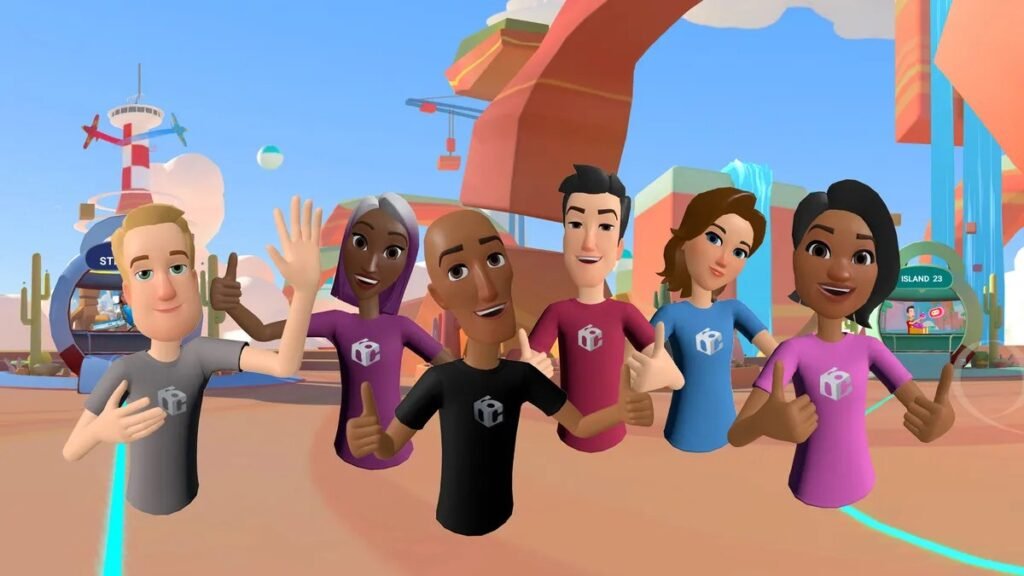
Meta has officially signaled the end of its ambitious metaverse era, laying off approximately 1,500 employees from its Reality Labs division—roughly 10% of the unit’s total staff—and shuttering multiple VR game studios, according to reports from The Wall Street Journal. This move marks a definitive reversal for the tech giant, which just four years ago staked its corporate identity and future on virtual reality.
Few in the industry are mourning the shift.
The Fall of a Visionary Rebrand
In 2021, Facebook underwent a dramatic rebranding to “Meta,” aiming to lead a new technological frontier defined by VR. The strategy was twofold: capitalize on Gen Z’s preference for immersive social gaming environments like Roblox and Fortnite, while simultaneously distancing the company from the toxic reputation of the Facebook brand, which had been plagued by data privacy scandals, whistleblower reports, and intense Congressional scrutiny over its role in misinformation and digital surveillance.
The vision was clear: build a virtual world via the Horizon Worlds app where users would live, play, and connect. Today, that vision has been effectively abandoned in favor of an AI-centric strategy.
According to CNBC, the casualties include internal VR studios such as Armature Studio (“Resident Evil 4 VR“), Twisted Pixel (“Marvel’s Deadpool VR“), and Sanzaru (“Asgard’s Wrath“). Furthermore, the fitness app Supernatural, acquired by Meta in 2023 for $400 million, has entered “maintenance mode.” The studio behind “Batman: Arkham Shadow,” Camouflaj, was also hit by the layoffs.
As reported by The Verge, Meta is also shutting down its VR workplace initiative, Workrooms. These cuts follow a Bloomberg report from December indicating a 30% reduction in the VR department’s budget and the suspension of the Meta Horizon operating system’s licensing program for third-party headset manufacturers.
The financial toll of this failed experiment is staggering: Meta poured over $73 billion into Reality Labs without ever turning a profit.
“Building in the Open” Fails
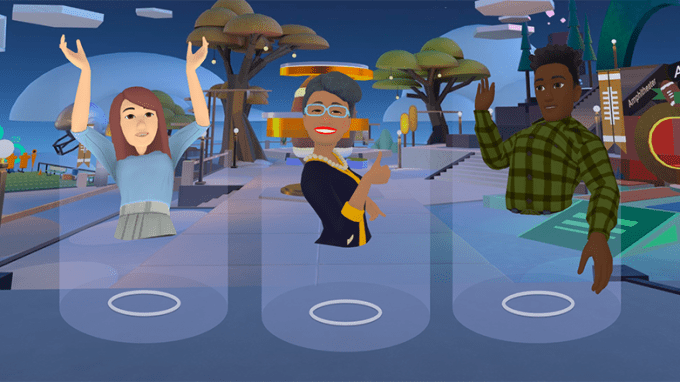
The metaverse was heavily hyped by analysts and investors, but the actual products were lackluster. Viral memes featuring legless, soulless avatars highlighted a disconnect between Meta’s promises and the reality of the software. The “build in the open” model, which relies on consumer feedback for rapid iteration, failed because the underlying consumer demand simply wasn’t there.
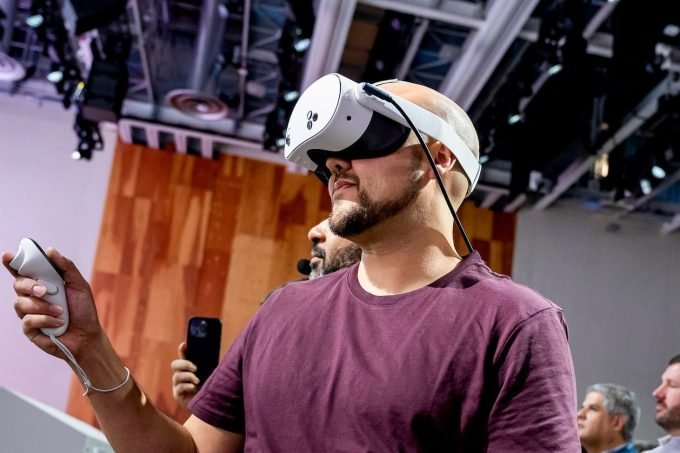
Despite holding a majority share of the VR market, Meta faced declining hardware interest. Counterpoint Research reported that global VR headset shipments dropped 12% year-over-year in 2024, marking three consecutive years of decline.
The App Store Strategy
Zuckerberg’s ultimate goal was never just VR; it was control. He sought to circumvent the “Apple-Google duopoly” by building his own platform, aiming to host a digital economy where Meta could dictate the rules and capture the revenue.
“I’ve come to believe that the lack of choice and high fees are stifling innovation,” Zuckerberg famously stated at the 2021 Facebook Connect event. Yet, when it came time to incentivize developers, Meta acted in its own self-interest, announcing a 47.5% cut on digital asset sales—a move that effectively alienated the creator community.
A Niche Market
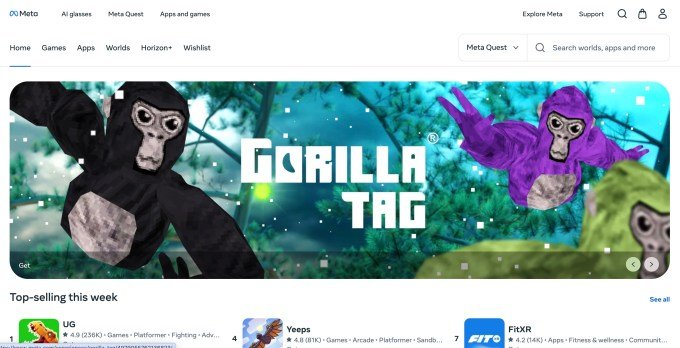
Adoption metrics were underwhelming. While the Meta Horizon app reached 60.4 million downloads globally, daily active usage paled in comparison to Meta’s core ecosystem of 3.5 billion users across Facebook, Instagram, and WhatsApp. According to Apptopia, even with modest growth in user sessions, the platform remained a niche corner of the internet, failing to achieve the mass-market scale required to justify the massive R&D expenditure.
Safety and Conduct Failures
Safety was a reactive afterthought. Following reports of sexual harassment, virtual rape, and gang rape in Horizon Worlds, Meta introduced “Personal Boundary” features, which were later weakened. Users frequently complained that the reporting tools were ineffective, often forcing victims to leave the platform entirely rather than finding support or justice.
The AI Pivot
The final nail in the coffin was the unexpected success of Meta’s Ray-Ban smart glasses. Featuring hands-free recording and integrated Meta AI, these devices have seen surging demand, with Bloomberg reporting that Meta is considering doubling production. In an era where AI is the primary focus of the tech industry, VR has become an aging relic.
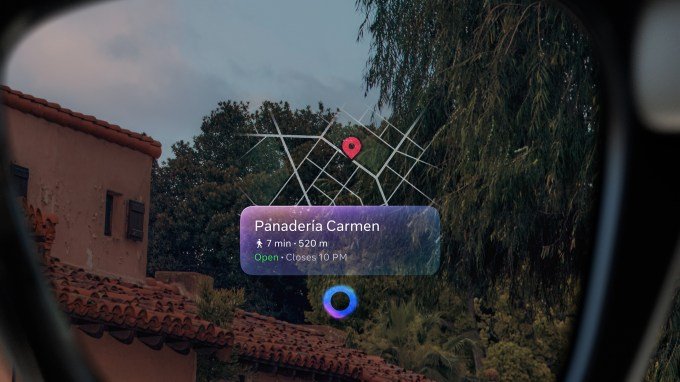
Moving forward, Meta is reallocating its resources toward products with proven potential: smart glasses, large language models, and the growth of its AI applications.