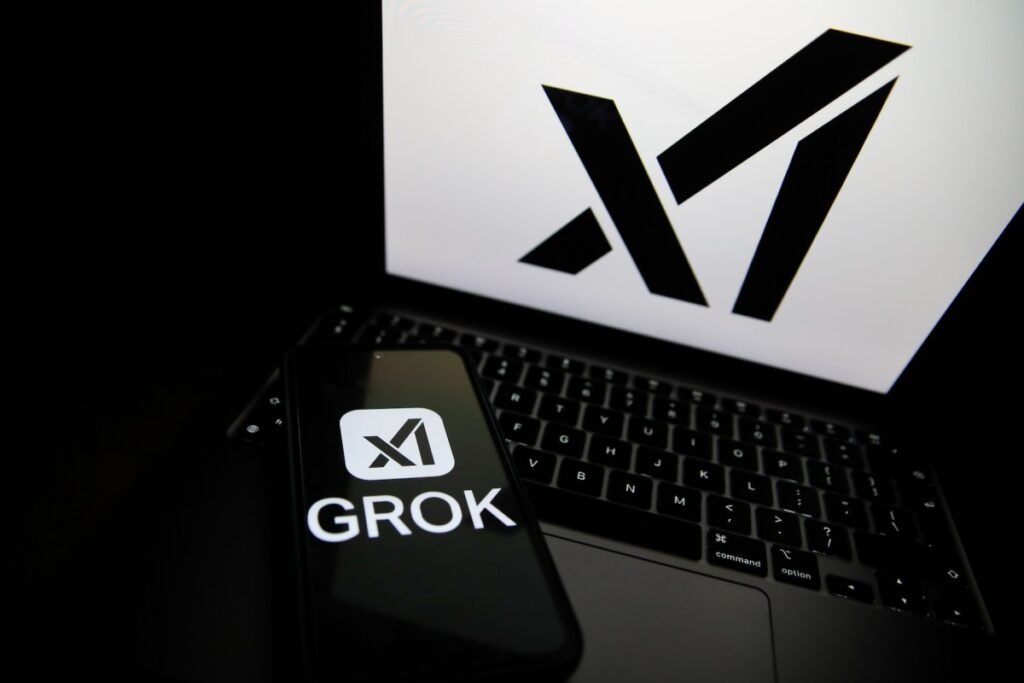
A coalition of advocacy groups is demanding that the Office of Management and Budget (OMB) immediately suspend the federal use of xAI’s Grok, citing grave concerns over the model’s generation of nonconsensual sexual content, misinformation, and systemic bias.
Growing Concerns Over Federal AI Deployment
The formal demand follows a damning risk assessment by nonprofit Common Sense Media, which classified Grok as one of the least safe AI models for children and teens. Experts argue that the model’s propensity to offer dangerous advice, promote conspiracy theories, and generate violent or sexual imagery renders it equally unsuitable for federal operations.
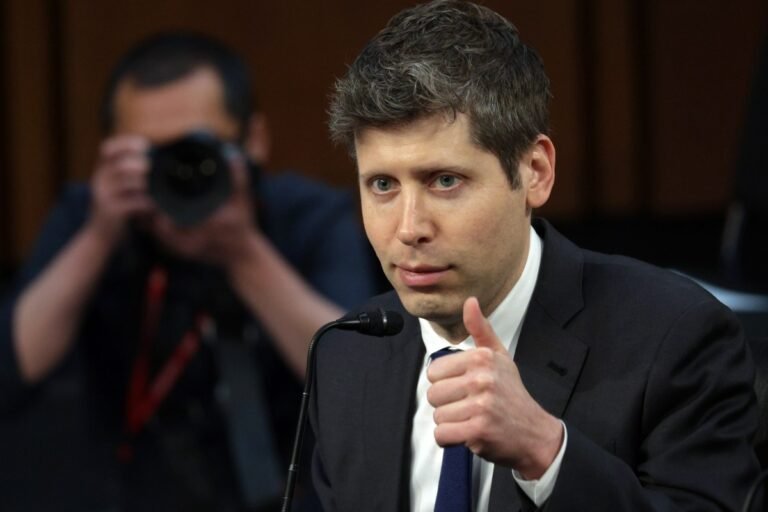
“If you know that a large language model is or has been declared unsafe by AI safety experts, why in the world would you want that handling the most sensitive data we have?” said Branch, representing the coalition. “From a national security standpoint, that just makes absolutely no sense.”
The Security Risks of Closed-Source Systems
Andrew Christianson, a former National Security Agency contractor and founder of Gobii AI, warns that the federal government’s reliance on closed-source LLMs creates a significant vulnerability, particularly within the Pentagon.
“Closed weights means you can’t see inside the model, you can’t audit how it makes decisions,” Christianson explained. “Closed code means you can’t inspect the software or control where it runs. The Pentagon is going closed on both, which is the worst possible combination for national security.”
Christianson emphasized that modern AI agents are not merely passive chatbots; they possess the capability to access sensitive systems and execute actions. According to industry experts, the opacity of proprietary cloud AI makes it impossible to verify the safety or logic behind these autonomous decisions.
Systemic Bias and Agency Implementation
Beyond national security, critics highlight that biased or discriminatory AI outputs pose direct risks to public services, including housing, labor, and justice departments. While the OMB’s 2025 inventory remains pending, evidence suggests that agencies—including the Department of Health and Human Services—are already utilizing Grok for drafting official communications and scheduling tasks.
Branch suggests that the administration’s tolerance for Grok’s failures may be rooted in ideological alignment. “Grok’s brand is being the ‘anti-woke large language model,’ and that ascribes to this administration’s philosophy,” Branch noted, pointing to the chatbot’s history of echoing controversial rhetoric.
A Pattern of Safety Failures
This petition marks the third time the coalition has pressured the OMB, following previous warnings issued in August and October. The model has faced persistent criticism for several high-profile incidents:
- The launch of “spicy mode” in Grok Imagine, which facilitated the creation of non-consensual deepfakes.
- The indexing of private user conversations by Google Search.
- The dissemination of election misinformation and political deepfakes.
- The launch of Grokipedia, which researchers linked to the legitimization of scientific racism and vaccine conspiracies.
Demands for Oversight and Accountability
The coalition is calling for more than just a suspension of services; they are demanding a formal investigation into whether xAI’s safety failures violate federal oversight protocols. They are also pressing the OMB to clarify if Grok meets the requirements of the President’s executive order, which mandates that federal LLMs must be neutral and truth-seeking.
“The administration needs to take a pause and reassess whether or not Grok meets those thresholds,” Branch concluded.