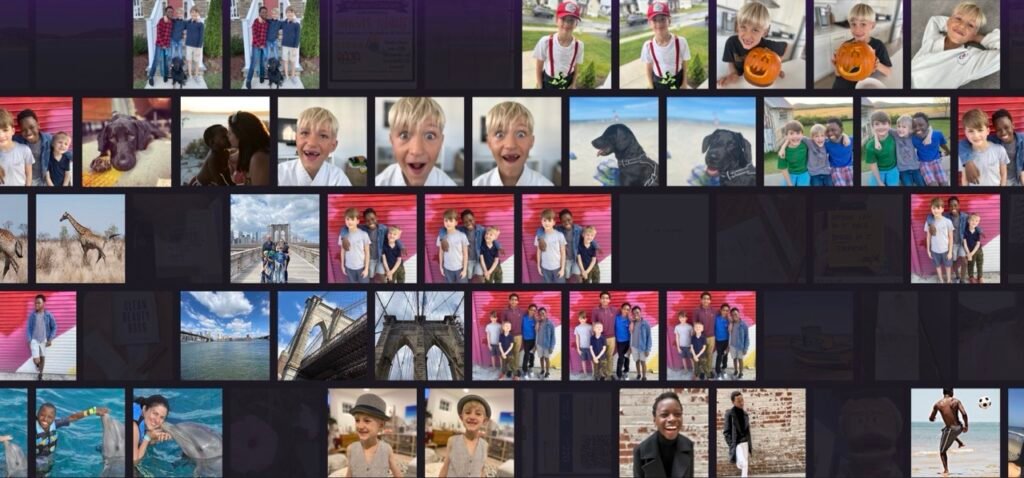
Photo-sorting app GoodOnes has officially rebranded to Ollie, marking a milestone after the platform successfully helped users sift through over 400 million images using AI-driven organization. The shift reflects a growing public comfort with artificial intelligence, as users increasingly view machine learning as a practical solution for managing digital clutter rather than a technology to be feared.
From Skepticism to AI Adoption
The general attitude toward AI has shifted quite radically over the past year, and people are now far more willing to see it as a valuable tool rather than something to be afraid of. “Initially, people were saying, ‘I’m just not comfortable trusting my photos with AI,’” said Shalom. “‘They’re a little too precious.’ And now it’s kind of expected: ‘Can’t AI do this for me?’”
Prioritizing User Privacy and Trust
As much as the general public might now recognize the strengths and benefits of machine learning and the heavy lifting that it can accomplish for them, Ollie is committed to not abusing their users’ trust when it comes to their photos.
“It really matters to people we found, and especially to people who have the photos of kiddos,” said Shalom. “It’s a value for us. And it’s forced us into different directions from a technological standpoint. I’m really glad I did that.”
How Ollie Maintains Localized Security
As your version of Ollie is localized to your device and it learns from your photos, your photos never leave it. They aren’t transferred to the cloud, and nobody from the Ollie team has access to them. When I asked Shalom if this presents them with quality assurance problems, he said it does make it more complicated, but they’ve implemented systems to help them with it. There’s an easy bug reporting feature, and they have a customer success team member who talks with users. From there, they have created a database of problematic cases from which they can learn and tweak the algorithm.
The Subjective Nature of a “Good Photo”
While the app doesn’t share actual images with the team, it feeds back data about preferences to enable improvements and adjustments to the system. Intrigued, I asked if the Ollie team had been able to see which photos people preferred and what they would rather consign to the recycling bin. In other words, have they been able to determine what makes a “good photo”?
“We learned that it’s very, very personal,” said Shalom. “Some people think their food photos are junk. Some people think that their food photos are the best thing. Kids are like, you know, their kids’ photos are the most important thing.”
Solving the Global Photo Clutter Crisis
When I asked Shalom about the future for Ollie, he’s excited about how much more the AI program will be able to learn and how many more people they can assist in sorting their photos.
“The photo mess is real and remains unsolved,” said Shalom.
Ollie is available to download today, for free, from the Apple App Store. Over the next few months, the company plans to start charging for its services on a subscription basis, likely at $39.99 per year.