
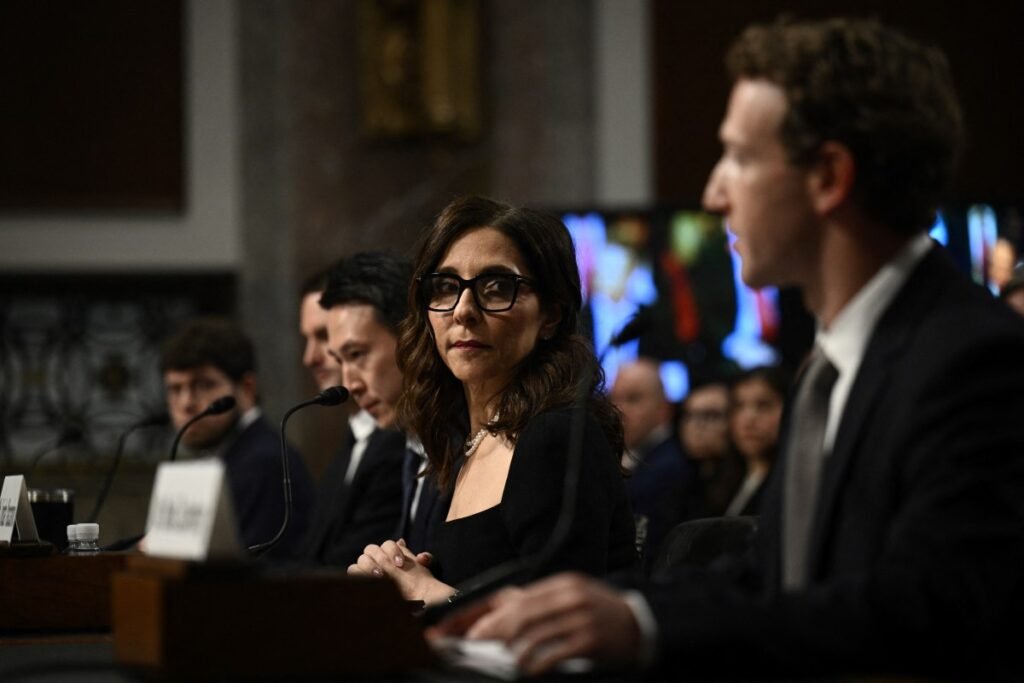
Microsoft and X have officially thrown their weight behind the Kids Online Safety Act (KOSA), a polarizing piece of legislation aimed at regulating how digital platforms interact with minors. While the move aligns both tech giants with legislative efforts to curb online risks, their underlying motivations appear to diverge significantly as the bill faces intense scrutiny from privacy advocates and internet creators.
Microsoft’s Strategic Pivot Toward AI Regulation
For Microsoft, the endorsement of KOSA likely serves a broader, long-term regulatory strategy. Unlike its major competitors, Microsoft does not operate a traditional, algorithm-driven social media network—Discord being a notable exception in its portfolio. By supporting a bill that imposes strict new compliance rules on social media companies, Microsoft may be looking to secure “regulatory goodwill” from lawmakers. This maneuver positions the tech giant as a cooperative partner in policy discussions, potentially easing the path for its own primary focus: the rapid expansion and governance of Artificial Intelligence.
The Competitive Landscape and X’s Stance
Conversely, X and Snap appear to be navigating the KOSA debate with different objectives. By backing the legislation, these platforms may be attempting to endear themselves to regulators or, perhaps, hoping that the stringent requirements imposed by the bill will disproportionately impact their rivals’ operations. The shifting alliances in Washington suggest that KOSA has become a high-stakes chess game where corporate survival and competitive positioning are just as critical as child safety initiatives.
Fan fiction writers rally fandoms against KOSA, the bill purporting to protect kids online
The Growing Backlash Against KOSA
Despite the support from major tech players, KOSA remains mired in controversy. The bill has triggered widespread opposition from diverse groups, including fan fiction communities and digital rights activists. Critics argue that the legislation, while well-intentioned in its goal to protect children, could inadvertently lead to over-censorship, the erosion of online privacy, and the stifling of marginalized voices who rely on the internet for community and self-expression. As the debate moves forward, the tension between safety mandates and the preservation of an open web continues to intensify.