The Brazilian Supreme Court has officially upheld the nationwide ban on X, formerly Twitter, after a panel of judges ratified a previous ruling that penalized the platform for failing to comply with local content removal mandates. This judicial decision escalates the standoff between Elon Musk and the Brazilian government, imposing strict financial penalties of up to $9,000 for any users caught employing VPNs to circumvent the block.
The Legal Clash Over Free Speech
The ongoing dispute has ignited a global debate regarding the boundaries of digital sovereignty and content moderation. Mike Masnick, writing for Techdirt, explores the intricate friction between the necessity of complying with local “hostage laws” and the broader principles of free speech. The analysis highlights the perceived inconsistency in Musk’s approach, noting that the tech billionaire often shifts his stance on censorship depending on the specific political or business context.
Financial Fallout for Musk’s Empire
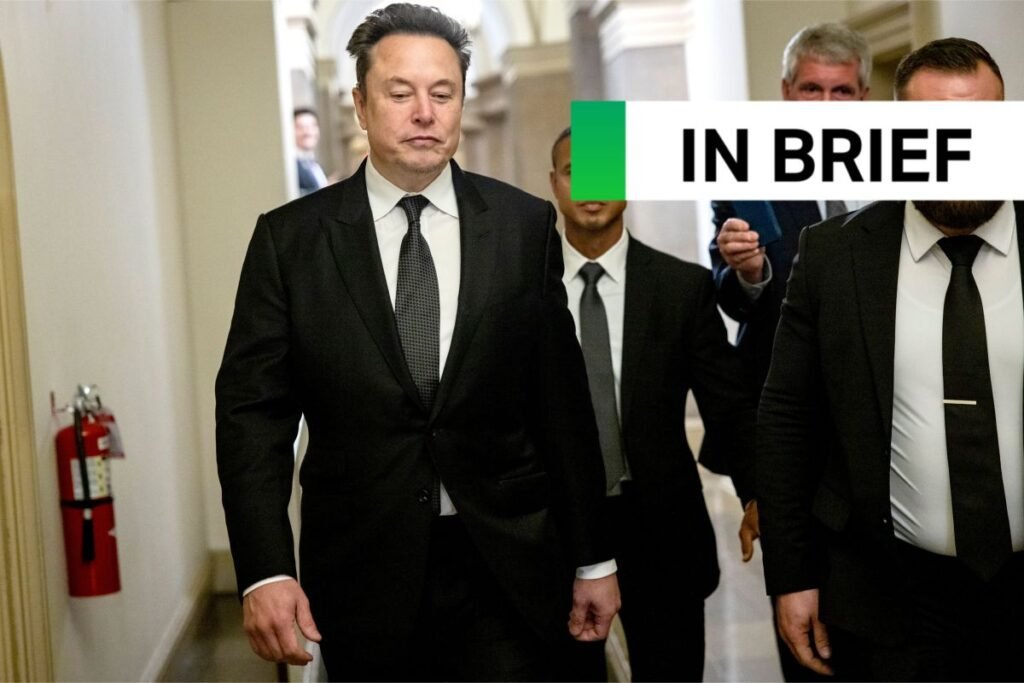
The conflict has expanded beyond the social media platform itself. Elon Musk has publicly confirmed that the Brazilian government has moved to freeze the financial assets of his satellite internet provider, Starlink. Furthermore, Musk claims that his other business ventures operating within the country have also been targeted by these restrictive measures, signaling a deepening economic impact of this regulatory battle.
As the legal situation remains fluid, the court’s decision to maintain the shutdown underscores a firm commitment by Brazilian authorities to enforce local digital regulations, regardless of the platform’s ownership or global influence.