
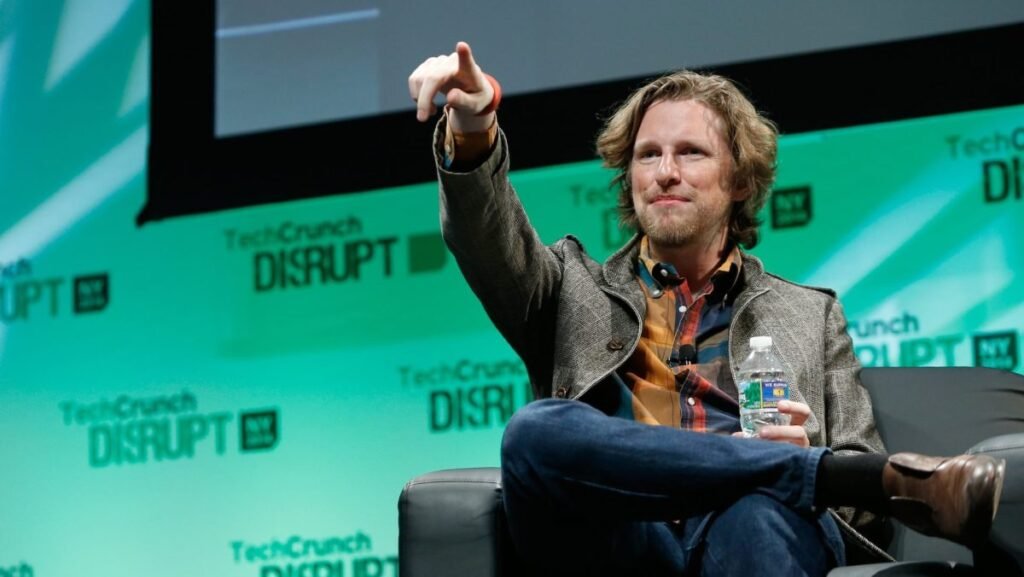
WordPress.org has officially barred WP Engine from accessing its essential resources, a move that triggered a sharp response from the hosting company, which accuses Matt Mullenweg of weaponizing his control over the WordPress platform to disrupt service for thousands of customers.
“Matt Mullenweg’s unprecedented and unwarranted action interferes with the normal operation of the entire WordPress ecosystem, impacting not just WP Engine and our customers, but all WordPress plugin developers and open-source users who depend on WP Engine tools like ACF,” WP Engine stated following the lockout.
Matt Mullenweg, CEO of Automattic, has misused his control of WordPress to interfere with WP Engine customers’ access to https://t.co/ZpKb9q4jPh, asserting that he did so because WP Engine filed litigation against https://t.co/erlNmkIol2. This simply is not true. Our Cease &…
— WP Engine (@wpengine) September 26, 2024
The Escalating Conflict
WordPress powers nearly 40% of the web, relying on a mix of open-source users and managed hosting providers like Automattic—led by Mullenweg—and WP Engine. While the software is free to run independently, many users opt for commercial, plug-and-play hosting solutions.
Tensions boiled over last week when Mullenweg publicly labeled WP Engine a “cancer to WordPress” during a conference and on his personal blog. He alleged that the company fails to contribute adequately to the open-source project, despite both Automattic and WP Engine generating roughly half a billion dollars in annual revenue.
In response to these public attacks, WP Engine issued a cease-and-desist letter, demanding a retraction. The letter claimed that Mullenweg threatened a “scorched earth nuclear approach” if the company did not agree to pay Automattic a percentage of its gross revenue.
Trademark Disputes and Policy Shifts
Automattic fired back with its own cease-and-desist, alleging that WP Engine infringed upon the WordPress and WooCommerce trademarks. This position is supported by the WordPress Foundation, the non-profit entity tasked with maintaining the open-source project.
“WP Engine has indeed breached the WordPress Trademark Policy,” the foundation stated. “The Policy states that no one is allowed to use the WordPress trademarks as part of a product, project, service, domain name, or company name. WP Engine has repeatedly violated this policy.”
The Foundation updated its policy yesterday to explicitly cite WP Engine as an example of non-compliance, though notably, the term “WP” remains outside the scope of the trademark protection.
The Licensing Standoff
Following the ban, Mullenweg asserted via his blog that the core of the dispute remains trademark usage. He claims that Automattic has long sought a licensing agreement with WP Engine, offering the firm a choice between paying direct licensing fees or providing “in-kind contributions” to the open-source project. Mullenweg has yet to provide specific details regarding what those in-kind contributions would entail.