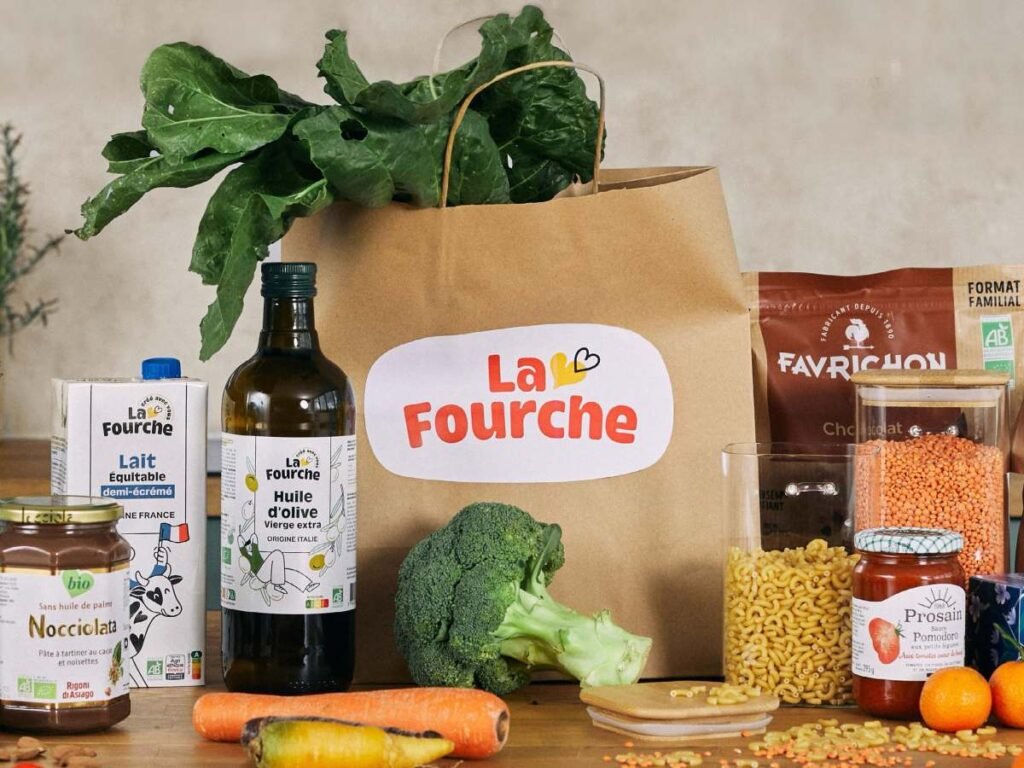
La Fourche is carving out a sustainable path in the online grocery market by replacing the failed promises of quick-commerce with a membership-based, organic-focused model that is currently on track to reach €100 million in gross merchandise volume by 2025.
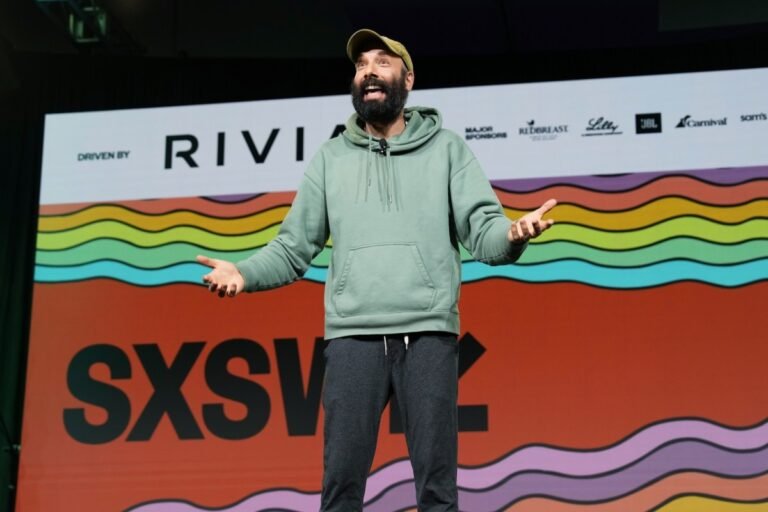
Nathan Labat, co-founder and CEO, attributes the company’s resilience to a fundamental shift in consumer behavior. “There’s a lack of consumer confidence,” Labat argued, citing the “overwhelming catalog with awful stuff” found in traditional retail—a sentiment that helped fuel the rise of Yuka, the popular food health quality app.
Scaling Toward Profitability
The La Fourche model relies on a yearly membership fee—currently priced at approximately €60 ($65.50)—which grants customers free delivery on orders that meet a specific threshold. By adopting a strategy inspired by Costco and Thrive Market, the company leverages subscription benefits to boost brand loyalty, retention, and average order value.
“Subscription models have become increasingly common,” Labat noted. “You get the impression that on food, it’s interesting because you can offer something like ‘one subscription to rule them all.’” This approach allows consumers to consolidate purchases—from diapers to coffee beans—under a single platform.

The startup’s internal metrics validate this strategy, with 120,000 active members ordering an average of €120 worth of products every 30 to 45 days. Financial health is also trending upward: Labat reports the company has improved its EBITDA margin from -15% to -9% last year, with a target of -2% for the current year. The goal is to achieve the first profitable quarter by the end of 2025.
Efficiency and Expansion
A key factor in this growth is the company’s reliance on word-of-mouth rather than heavy advertising. Marketing costs currently sit at roughly 5% of revenue. Operations are centralized in a single automated warehouse, utilizing AutoStore’s technology to maintain an asset-light model with high recurrence.
Notably, 46% of La Fourche’s customer base lives in the countryside, proving that the service fills a vital gap for those without the abundance of grocery options available in major metropolitan areas.
Looking ahead, the company is shifting its focus to Germany, where it has launched its organic supermarket under the brand Ackerherz. Success in this new market could pave the way for further geographic expansion across Europe.