
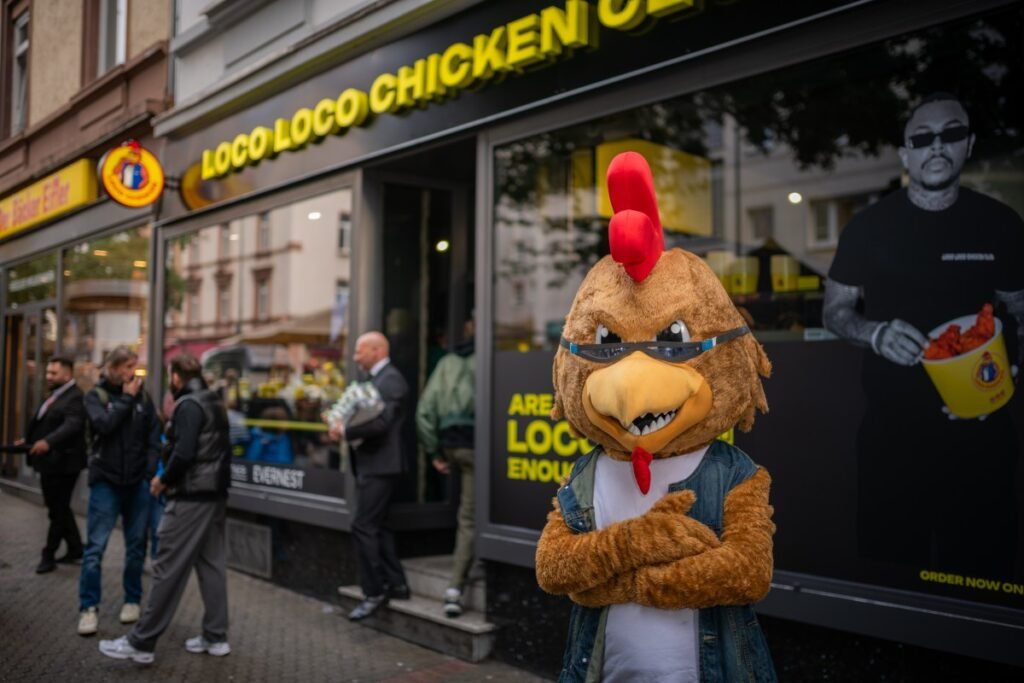
Lanch, a data-driven food startup, has raised $27 million to scale its social media-centric fast food model, leveraging insights from 350 ghost kitchens to optimize physical expansion and product development.
Scaling Beyond the Snack Aisle
The company is rapidly expanding its retail footprint, with its signature potato chips now available in over 10,000 supermarkets. Leadership confirmed that a new snack line is currently in the pipeline, signaling a broader push into consumer packaged goods.
Data as the Secret Ingredient
Lanch positions itself as a technology company rather than a traditional food brand. By utilizing the massive data output from its 350 delivery-only locations, the firm gains a significant edge in identifying high-potential sites for future brick-and-mortar restaurants.
“It’s incredibly hard to figure out where to open a restaurant, but we have 350 delivery locations [its ghost kitchens], and they give us a mind-blowing amount of data,” the company stated. “Data that tells us really specifically where it makes sense for us to open a physical restaurant. That is a massive advantage.”
Leveraging Social Media for R&D
Beyond site selection, Lanch uses social media platforms to decode consumer cravings. By partnering with influencers and monitoring user engagement, the company identifies food trends at a fraction of the cost required for traditional physical trials or large-scale marketing campaigns.
Navigating the Volatile Food-Tech Market
The startup enters a sector historically plagued by instability. The fast-delivery and online grocery markets have seen significant collapses, resulting in massive losses for investors. Similarly, many Direct-to-Consumer (D2C) food ventures have failed due to supply chain complexities and a lack of true product-market fit.
Frederic Court of Felix Capital highlights that many D2C failures stem from unsustainable marketing spend and poor unit economics. Lanch’s ability to maintain a leaner, more efficient cost base has been a primary driver in attracting its latest round of investment.