Tesla has officially ramped up its capital expenditure (capex) plan to $25 billion, a strategic pivot aimed at aggressively scaling AI, robotics, and advanced semiconductor manufacturing throughout this year and beyond.
Strategic Investments in AI and Core Technologies
According to CEO Elon Musk, a significant portion of this capital will be funneled into Tesla’s foundational technologies. The roadmap includes heavy investment in AI training infrastructure, proprietary chip design, and the necessary groundwork to expand manufacturing capacity. Furthermore, the company is prioritizing its robotaxi operations and the development of a new semiconductor research fab located in Austin.
The Shift to Optimus and Factory Overhauls
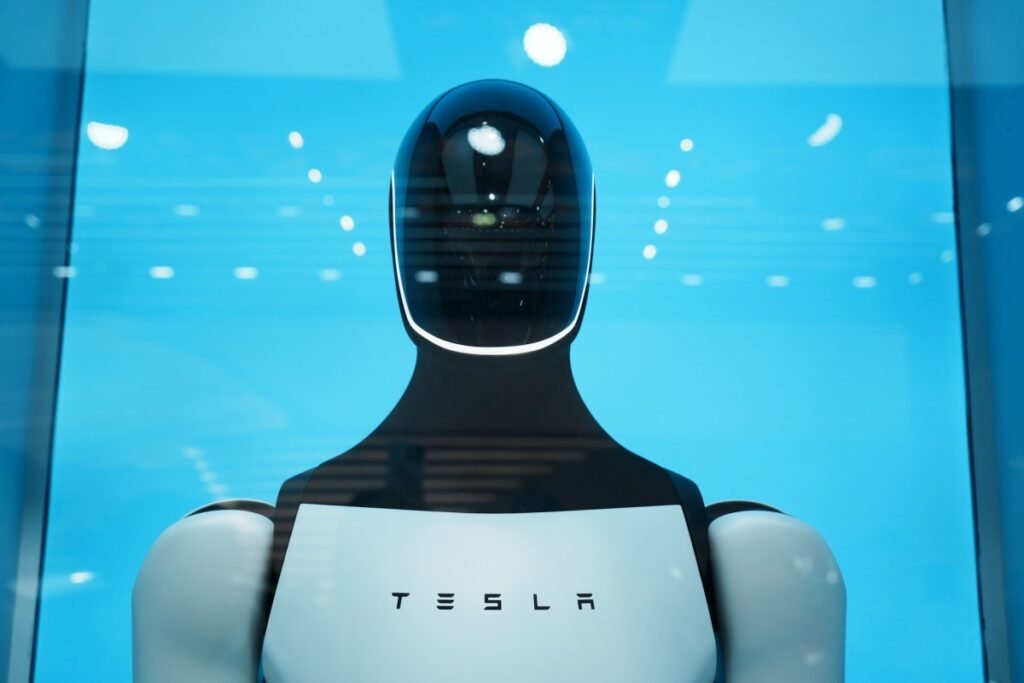
The Fremont, California, factory is set to undergo a major transition as Tesla winds down production of the Model S and Model X. This facility will be repurposed to support the large-scale manufacturing of the Optimus humanoid robot. Building on this momentum, the company confirmed on Wednesday that it has cleared land adjacent to its Austin Gigafactory to construct a dedicated facility for Optimus production.
Tesla intends to accelerate internal testing of the humanoid units, with Musk projecting that Optimus could reach practical utility outside of the company’s own facilities by next year.
Supply Chain Resilience and Financial Outlook
Beyond robotics and software, Tesla is allocating funds to fortify its supply chain across multiple sectors, specifically targeting battery production, energy storage, and AI silicon availability.
While Tesla recently reported an unexpected $1.4 billion in free cash flow—briefly boosting share prices by 4%—CFO Vaibhav Taneja warned that the company expects to return to negative free cash flow territory later this year as these massive investments take hold. The multi-year spending spree caused shares to relinquish their after-hours gains as investors processed the long-term outlook.
Positioning for the “Next Era”
Despite the projected short-term cash burn, Tesla remains in a strong liquidity position, reporting $44.7 billion in cash, cash equivalents, and short-term investments at the close of the first quarter.
“While this may seem like a lot, and we will have the impact of negative free cash flow for the rest of the year, we believe this is the right strategy to position the company for the next era,” Taneja stated.