
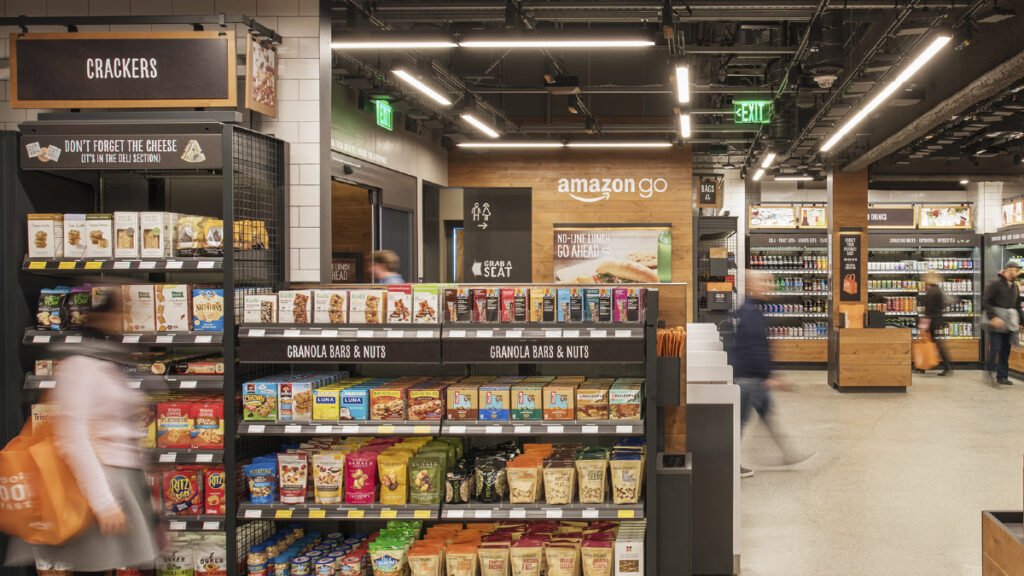
Amazon is officially pulling the plug on its physical Amazon Go and Amazon Fresh store footprints, signaling a significant pivot in the tech giant’s brick-and-mortar retail strategy. This move marks the end of an ambitious experiment aimed at revolutionizing the grocery shopping experience through high-tech convenience.
Refining the Grocery Strategy
Despite the closures, Amazon is not stepping away from physical retail entirely. Instead, the company is shifting its focus toward the expansion of Whole Foods Market Daily Shop locations. These outlets serve as a more compact, streamlined iteration of the traditional grocery store, specifically designed to cater to urban shoppers seeking quick, grab-and-go meal solutions.
Consumer Perception vs. Tech Convenience
The transition highlights a notable challenge Amazon faced with its proprietary retail brands. While the Amazon Go and Amazon Fresh concepts were built on the premise of seamless, tech-heavy convenience, they struggled to gain the same level of brand trust and consumer loyalty as Whole Foods. Market analysis suggests that shoppers feel more comfortable purchasing fresh items from the established Whole Foods brand, despite the fact that both chains operate under the same corporate umbrella.
Amazon plans to lean into this existing consumer preference, leveraging the Whole Foods name to capture the convenience-driven market segment that Amazon Go and Amazon Fresh were originally intended to serve.